























Stellantis Confronts Opposition to Chinese EV Production at Brampton Plant

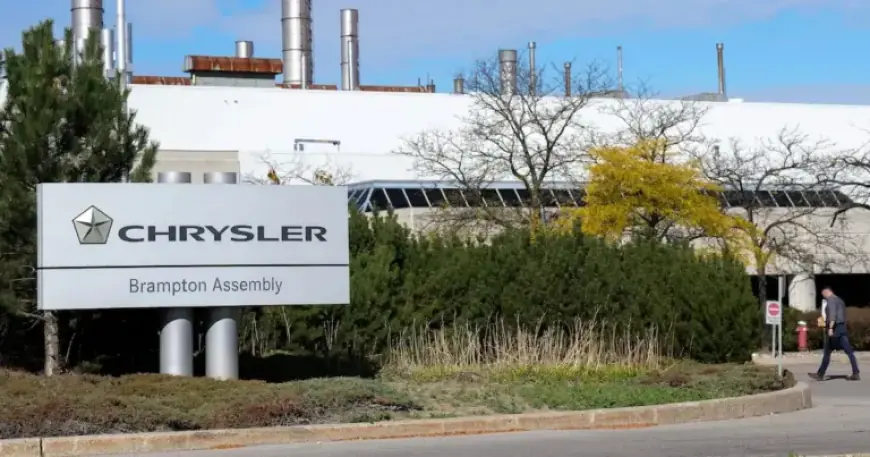
The potential for Chinese electric vehicle (EV) production at Stellantis’ Brampton plant in Canada has ignited considerable debate. Concerns have been raised regarding the implications of converting the idle assembly facility into a manufacturing hub for cars largely produced in China.
Key Opposition to Chinese EV Production
Since the news broke that Stellantis was in discussions with Zhejiang Leapmotor Technology, a Chinese partner, significant opposition has emerged. Ontario Premier Doug Ford and Federal Industry Minister Melanie Joly have both expressed their disapproval of the plan. Additionally, Lana Payne, the national president of Unifor, has called on Stellantis to adhere to its commitment to restore the plant to its original production capacity.
Concerns Over Production Methods
Much of the resistance to the proposed changes stems from fears that the Brampton plant would produce “knockdown kits.” This involves electric vehicles that are manufactured mostly in China and then partially assembled in Canada. Flavio Volpe, president of the Automotive Parts Manufacturers’ Association (APMA), articulated this concern in a recent interview.
- Chinese components: Vehicles would primarily contain parts made in China.
- Limited economic benefit: Assembled vehicles would not significantly benefit the Canadian economy.
- Employment impact: The role of Canadian workers would be reduced to mere assembly tasks.
Volpe emphasized the importance of manufacturing parts in North America and fully assembling vehicles in Canada to create local jobs. He noted that if Stellantis can regain access to the U.S. market and resume full production, it could reinstate approximately 12,000 jobs. Furthermore, it could inject $3 billion annually into Ontario’s economy.
Current Status of the Brampton Plant
The Brampton facility has remained idle for over two years, leaving thousands of workers without employment. As Stellantis has shifted Jeep Compass production to Illinois, the future of the plant remains uncertain. In October, the company announced this production move to increase its output capabilities.
Government Actions and International Trade Agreements
Earlier in the year, Prime Minister Mark Carney brokered a deal to allow the importation of up to 49,000 Chinese EVs with significantly reduced tariffs. Volpe has argued for clearer regulations, stressing that knockdown kits should be classified as imports, as they are largely manufactured overseas.
He concluded by advocating for protective measures for Canadian workers and intellectual property, reminiscent of the requirements placed on Canadian investments in China. “Proper regulations can ensure fairness and economic opportunity for Canadians,” Volpe stated.