























Trump Seeks to Build Extensive Voter Database

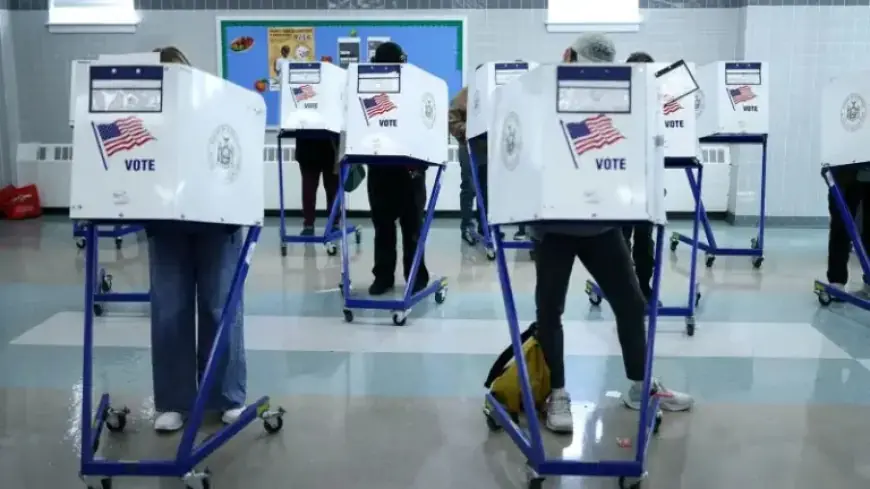
The Trump administration is actively pursuing a national voter database as part of its initiative for “election integrity.” This effort includes building an extensive voter database and intensifying scrutiny on alleged noncitizen voters. Recent developments point to a strategy that may raise concerns over the accessibility of voting for eligible Americans and the integrity of upcoming elections.
Efforts to Establish a National Voter Database
In an aggressive move, officials have signed agreements between the Justice Department and the Department of Homeland Security (DHS) to acquire sensitive voter-roll data from states. This data will be used for a citizenship verification program criticized for its inaccuracies. During the latest discussions, a new strategy was proposed to link federal homeland security grants to states’ compliance in sharing voter information.
- States refusing to provide full voter rolls may face funding constraints.
- Heather Honey, an election skeptic, has been vocal in these discussions.
- FEMA has previously mandated states to allocate funds towards enhancing election security.
Legal and Institutional Challenges
Despite assurances from the Justice Department that they are not compiling a national voter registration list, President Trump has signed an executive order aimed at compiling citizenship data for federal elections. Critics have voiced that this contradicts the Constitution, which designates states as the primary authorities for administering elections.
In a surprising move, Attorney General Pam Bondi appointed Dan Bishop as a U.S. attorney to focus on voter registration issues—an appointment that arises just days before her departure. As a result, the administration has moved to sue 30 states and the District of Columbia for noncompliance in providing unredacted voter data.
Concerns About Voter Data Accuracy
The DHS’s citizenship verification program has historically indicated inflated numbers of potential noncitizens on voter rolls. Election experts warn that reliance on flawed systems could lead to unjust voter purges, further complicating electoral processes.
Recent statistics reveal that less than 0.00035% of individuals flagged as potential noncitizens were identified correctly when states employed the revamped SAVE program. This highlights the significant risk of misidentifying eligible voters as noncitizens.
Implications for Future Elections
Trump’s persistent claims of widespread voting fraud have led to systemic changes aimed at verifying voter eligibility, which some state officials believe could undermine confidence in election results. The GOP’s proposed “SAVE America Act” seeks broader use of immigration data for ongoing voter list verification, exacerbating fears of invalidating legitimate voters.
- Lawmakers are concerned about the ramifications of using potentially erroneous data.
- State election officials question why there is reluctance to comply if they believe the data is accurate.
- State privacy laws complicate the sharing of sensitive information with the federal government.
As the situation unfolds, the administration’s push for a comprehensive voter database continues to face substantial legal challenges. Legal battles may arise against state officials who refuse to comply, potentially placing them in precarious positions regarding election integrity.
The evolving landscape of voter data management under Trump raises significant questions about civil rights and the fundamental ideals of the American electoral process. Observers anticipate ongoing litigation will play a critical role in shaping the future of voter registration and eligibility verification in the United States.