





















Ancient 2,000-Year-Old Coin Discovered in Unusual Bus Fare Payment

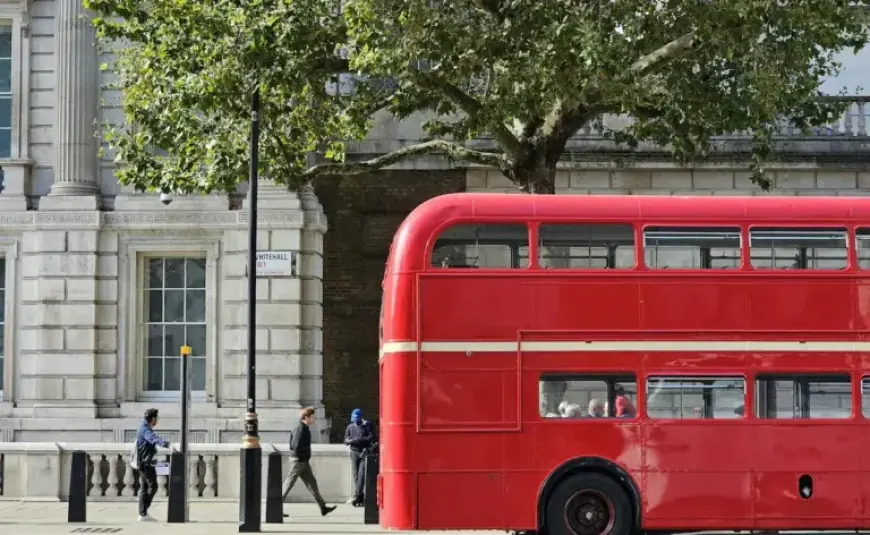
A commuter fare turned into an archaeological surprise in Leeds. An ancient 2,000-year-old coin was unknowingly used as bus change decades ago.
Origin and age
The coin dates to the first century BC. Experts identify it as Carthaginian and link its production to what is now Cádiz in Spain. Carthage thrived from about 800 BC until 146 BC.
Design and symbolism
Curators say the piece bears the image of Melqart. Melqart is the Phoenician deity often equated with Hercules. Officials note Phoenician mints sometimes used Greek-style motifs to appeal to merchants.
How it resurfaced
The object first entered local hands in the 1950s. James Edwards, a Leeds City Transport employee, removed unusable coins from buses and trams. He kept foreign and damaged coins at home.
James later passed the coin to his grandson, Peter Edwards. Peter stored it in a wooden box for many years. Now 77, he recently rediscovered and researched the piece.
Verification and donation
Peter donated the coin to Leeds Museums and Galleries. The City of Leeds issued a statement confirming the transfer to the Leeds Discovery Centre. That free museum houses currencies from many ancient civilizations.
Curators compared the find with similar coins. This helped confirm its Carthaginian attribution. A Leeds curator provided identification details after the donation.
Possible journey to Leeds
Officials suggest a returning soldier might have brought the coin home. They caution the coin’s exact story will likely remain unknown. Similar finds, however, make the attribution plausible.
Public reaction and coverage
Filmogaz.com covered the unusual bus fare payment and the subsequent donation. Peter Edwards said his grandfather would be proud to see the coin in a museum. The discovery highlights how ordinary objects can hold deep history.
- Finders: James Edwards (1950s), Peter Edwards (grandson)
- Dating: First century BC
- Origin: Carthage; produced in present-day Cádiz
- Current location: Leeds Discovery Centre, Leeds Museums and Galleries
- Symbol: Melqart (Phoenician god; linked to Hercules)