

























Iran Conflict Reaches Sixth Week: NPR Reports

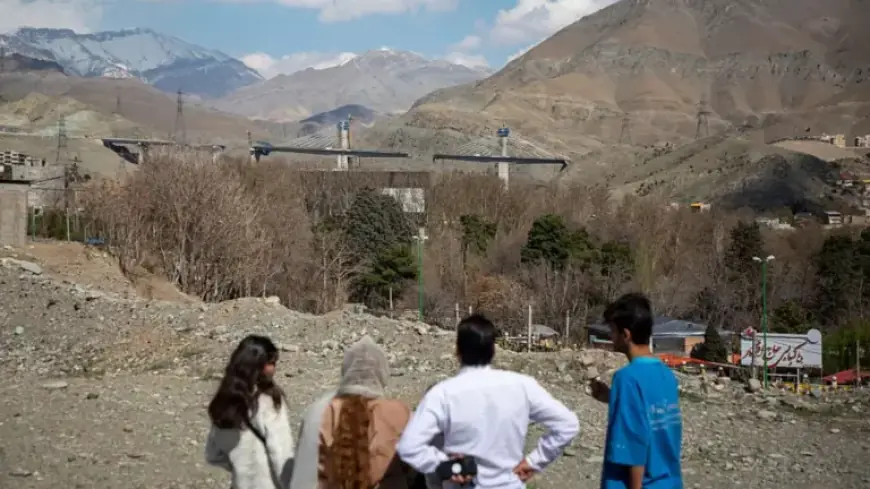
The conflict in Iran has now extended into its sixth week, marked by further hostilities involving U.S. and Israeli military actions. A recent airstrike was carried out on April 3, 2026, destroying the B1 bridge near Karaj, a city west of Tehran.
Escalation of Military Engagements
U.S. forces are still reeling from the loss of an F-15E fighter jet, which was shot down over Iranian territory on April 2. One crew member was rescued, while search efforts continue for another. This incident raises questions about U.S. air dominance, especially following the downing of a second U.S. combat aircraft near the strategic Strait of Hormuz.
Key Events
- Date: April 3, 2026
- Location: Karaj, Iran, and near the Strait of Hormuz
- U.S. Casualties: 365 wounded, 13 dead
- Iranian Casualties: Over 2,076 killed since February 28
U.S. and Israeli warplanes have intensified airstrikes against Iranian targets, focusing on the Mahshahr Special Petrochemical Zone and facilities related to Iran’s nuclear program. Reports indicate damage to the Bushehr nuclear site and multiple military installations around Tehran.
International and Regional Responses
The conflict has significantly affected the global oil supply chain. Countries, excluding the U.S. and Israel, are making attempts to reopen the Strait of Hormuz, through which 20% of the world’s oil supply is transported. Iranian actions have severely restricted access to this strategic waterway, prompting concerns from global markets.
Iran has retaliated by targeting a water desalination plant and an oil refinery in Kuwait, further escalating regional tensions.
Incidents in Lebanon and Dubai
Simultaneously, Israeli airstrikes in Lebanon have resulted in casualties among civilians, with at least 23 deaths reported. Many residents have been displaced due to ongoing military operations against Hezbollah militants.
In Dubai, falling debris from intercepted Iranian drones reportedly damaged the Oracle office building. Fortunately, no injuries were reported. Iran claims this drone attack was a reaction to the recent assassination attempt on former foreign minister Kamal Kharazi, who was advocating for potential negotiations with the U.S.
Conclusion
The ongoing conflict continues to escalate, with significant humanitarian impacts on both sides. Amidst the rising tensions, military engagement shows no signs of subsiding as U.S.-Israeli forces persist in their operations against Iranian targets, and Iran retaliates against its adversaries. The situation remains precarious as the conflict enters a critical phase, drawing in various regional and international stakeholders.