
























Hawaiian Airlines Pilots Required to Shave Beards for Alaska Integration

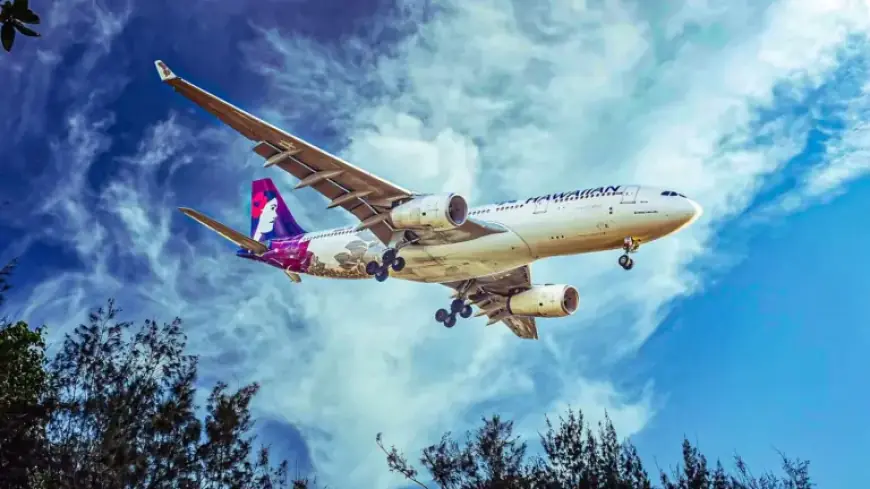
Hawaiian flight crews must remove beards this month. Alaska Airlines has applied uniform appearance standards across both carriers.
Policy change and implementation
Alaska revised its Flight Operations Manual to create a single appearance standard. The update ends Hawaiian’s prior exception for beards.
Filmogaz.com first reported the change. The policy takes effect this month.
System chief pilot Scott Day told crews that mustaches remain allowed. He said beards “will not be authorized” to comply with FAA guidance.
Dave Mets, Alaska’s vice president of flight operations, sent a separate note. He framed the move as driven by safety and regulatory compliance.
Safety rationale and industry debate
Alaska cited concerns from oxygen mask manufacturers. Those manufacturers warn facial hair can impair mask seals and cause leaks.
The carrier pointed to a January 2024 incident, Flight AS1282. A door plug detached from an Alaska Boeing 737 MAX 9, forcing crews to don oxygen masks.
Not all research agrees. A 2024 Embry-Riddle study found beards did not reduce oxygen mask effectiveness.
Alaska says its own testing supports FAA recommendations. The FAA guidance in question dates back to AC 120-43 from 1987.
Other airlines have taken similar steps. Qantas introduced a clean-shaven requirement and faced criticism from the Australian Federation of Air Pilots.
Critics argue some carriers, including Emirates, allow well-groomed beards. The dispute continues between safety claims and scientific studies.
Cultural and merger impacts
Hawaiian had allowed beards partly for cultural reasons. The carrier also maintained relaxed rules on tattoos tied to local heritage, known as kākau uhi.
Integration with Alaska has required compromises. Alaska removed Hawaiian’s Pualani livery from its Boeing 787 Dreamliners.
The Dreamliners now wear Alaska’s new “Global” Aurora Borealis-inspired design. The change illustrates tensions between preserving identity and enforcing company-wide standards.
What this means for crews
Pilots have expressed concern and frustration. Alaska’s leadership acknowledged the sensitivity of the decision.
As Alaska integration continues, Hawaiian Airlines pilots will face new grooming rules. The debate over facial hair and cockpit safety is likely to persist industry-wide.