






















Myanmar’s Coup Leader Elected President by Pro-Military Parliament

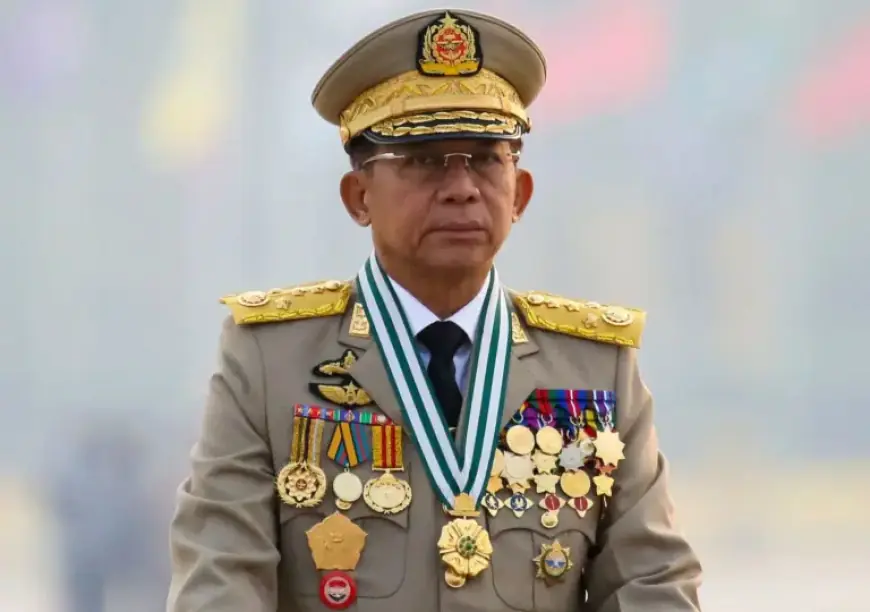
Senior General Min Aung Hlaing secured the presidency on 3 April 2026. He won 429 of the 584 votes cast by MPs in a live parliamentary ballot.
Parliamentary vote and immediate aftermath
The combined upper and lower house speaker, Aung Lin Dwe, confirmed the tally live. The vote took place in a pro-military parliament that had earlier nominated three candidates.
Min Aung Hlaing achieved the required threshold quickly. The two other nominees were named vice presidents after the count.
Background to the election
The 69-year-old general led the 2021 coup that removed Aung San Suu Kyi’s elected government. Her detention sparked nationwide protests and armed resistance.
An army-backed party won a landslide in December and January elections. The Union Solidarity and Development Party secured more than 80 percent of contested seats.
Serving military officers hold unelected parliamentary seats. They account for one quarter of the legislature under the constitution.
Military reshuffle and transition
Min Aung Hlaing stepped down as commander-in-chief before taking office. The constitution bars the president from holding the top military role simultaneously.
Ye Win Oo, a former intelligence chief and close aide, assumed the commander-in-chief post on Monday. Observers note this as a strategic consolidation of power.
Domestic resistance and regional implications
Armed conflict has intensified since the coup. Elements of the deposed party and ethnic armies formed a new united front this week.
The coalition, called the Steering Council for the Emergence of a Federal Democratic Union, said it seeks to dismantle military rule. Analysts warn resistance groups may face stronger military pressure.
Neighbouring countries may increase engagement with the new administration. Such moves could affect international scrutiny and support for resistance forces.
Analysts’ assessment
Commentators see Min Aung Hlaing’s elevation as an attempt to gain legitimacy. They say it also protects long-standing military interests.
The transition from coup leader to elected president formalises his control. Yet the country remains deeply divided and at war.
Reporting for Filmogaz.com.