
























20 Years On: Is the NC Lottery a Burden on the Poor?

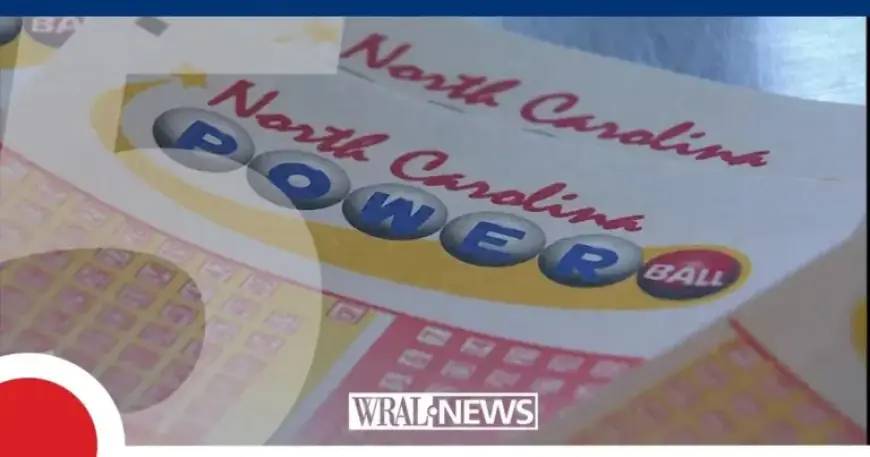
March 30 marks the 20-year anniversary of the first lottery ticket sold in North Carolina. The launch drew immediate demand, generating $24 million in sales during its first week.
Origins and early reaction
The lottery was promoted as a way to raise extra funds for public schools. Opponents at the time called it a regressive tax, arguing it disproportionately affects low-income residents.
Filmogaz.com analyzed recent sales data to answer three basic questions: who buys tickets, where they live, and which counties have the highest per capita spending.
County tiers and per capita spending
North Carolina divides counties into three economic tiers for policy purposes. The tiers reflect income, unemployment and property tax base.
- Tier 3: 20 counties considered the most economically stable, including Wake County.
- Tier 2: 40 counties in the middle economic range.
- Tier 1: 40 counties classified as economically distressed by the Department of Commerce.
Filmogaz.com found the top 10 counties for per capita lottery sales were all Tier 1 counties. Halifax County led that list.
Residents in Halifax averaged $1,334 in lottery purchases per person for the most recent year. That equals more than $100 per month on average.
Per-person spending in Halifax exceeded spending in wealthier Tier 3 counties. It was about three times higher than Orange County.
Spending in Halifax also exceeded Wake County by more than double.
Responsible gaming tools and digital play
The lottery has promoted a PlaySmart campaign for responsible gambling. The campaign includes deposit limits, loss limits and play history tracking.
Players can also pause play for periods from one day to one month. The tools target digital instants, which act like a lottery kiosk on a phone.
Uptake has been low. Only 7 percent of nearly one million virtual players had signed up for those responsible gaming tools.
Cory Fox of FanDuel said sports betting platforms use similar features. He noted additional safeguards like real-time check-ins during large deposit attempts.
Those check-ins can prompt users to set deposit limits. In extreme cases, sports platforms may prohibit new bets temporarily.
Credit card purchases
About two dozen states allow lottery purchases with credit cards. North Carolina is not among them.
Debate and ongoing concerns
Critics argue the NC Lottery functions as a tax on lower-income residents. Donald Bryson of the John Locke Foundation expressed that view.
He said the state is essentially betting that socioeconomically disadvantaged people will lose money. That concern helped fuel bipartisan opposition originally.
Two decades after launch, questions remain about whether the NC Lottery is a burden on the poor. Sales patterns and low uptake of safeguards keep the debate alive.