

























DWP Sets New Deadline for Benefit Claimants to Make Essential Switch

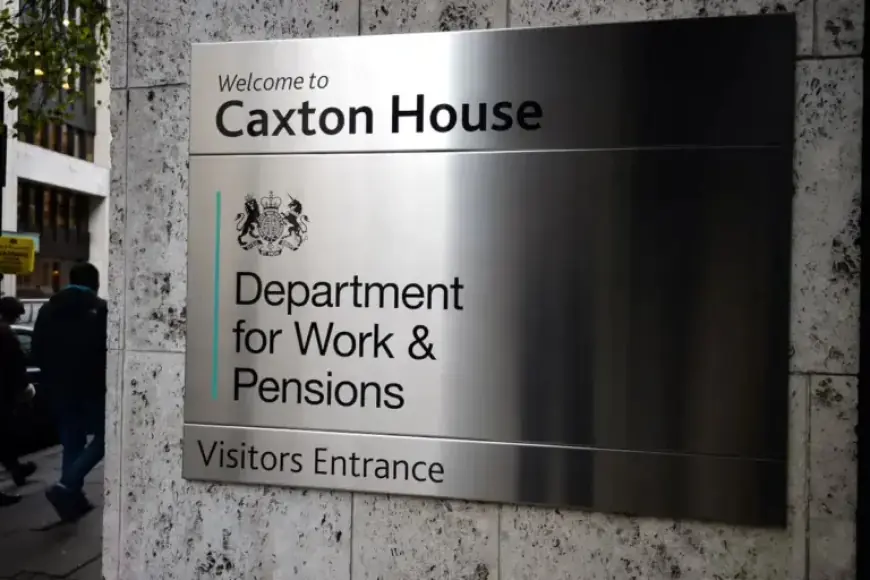
The Department for Work and Pensions has announced an extension for some benefit claimants required to make an essential switch to Universal Credit. The change delays the planned closure of certain legacy benefits to protect vulnerable people. Filmogaz.com reports on the latest timetable and support measures.
Which benefits are affected
The managed migration programme was due to finish by the end of March 2026. That timetable covered closure of working tax credit, child tax credit, income-based jobseeker’s allowance, income-related employment and support allowance, income support, and housing benefit for working-age households.
The DWP has now said employment and support allowance and housing benefit will remain open until the end of the summer. This targets a limited number of hard-to-reach claimants or people with significant barriers to claiming Universal Credit.
Numbers moved and remaining risks
More than 1.9 million people have moved from legacy benefits to Universal Credit under managed migration. That total includes about 135,000 people who moved from income support and income-related jobseeker’s allowance.
Official analysis in 2024 estimated roughly 4% of legacy benefit households may not make the transfer under the current process. The Public Accounts Committee warned failures in migration risked causing real hardship for thousands.
Claimant totals and recent trends
Figures published in February showed 8.34 million Universal Credit claimants in Britain in December 2025. This was up from 7.36 million a year earlier, an increase of almost one million people.
More than three-quarters of the rise came from people moving onto Universal Credit from other benefits. New claim numbers accounted for a smaller share of the overall increase.
Support measures and ministerial comment
The DWP said it will offer extra help to people still on employment and support allowance and housing benefit. Support includes a dedicated telephone helpline and home visits for those who need them.
Social security and disability minister Sir Stephen Timms highlighted the campaign’s progress. He said vulnerable claimants remain a priority and that the extension aims to safeguard them during the move.
Policy changes and future reviews
Planned welfare reforms due in April will reduce the health element of Universal Credit. Ministers say this change will save almost £1 billion and address perceived perverse incentives in the system.
Proposed reforms to disability benefits were paused after political opposition. Instead, the Timms review is now examining Personal Independence Payment (PIP) and how it operates.
The review is expected to report to Work and Pensions Secretary Pat McFadden by autumn. An interim update will be published before the final report.
What claimants should do
- Expect contact from the DWP if you remain on ESA or housing benefit.
- Use the helpline or request a home visit if you have barriers to claiming.
- Seek advice early to avoid payment disruption when you move to Universal Credit.