
























Iran’s Covert Chinese Drone Networks Raise US Sleeper Cell Attack Concerns

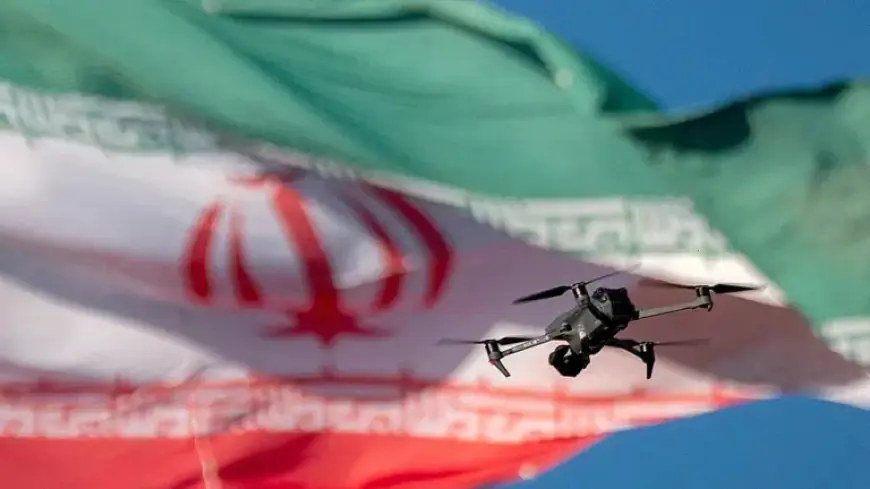
A leading defense expert warns Iran is developing a decentralized drone manufacturing network inside Tehran apartment basements. He said the effort relies on inexpensive technology sourced from China and operates covertly.
FPV drones at the center
Cameron Chell of Draganfly told Filmogaz.com the system centers on first-person-view, or FPV, drones. He said FPVs are hard to stop and allow dispersed actors to launch attacks without central command.
Chell added Iran’s forces, allied militias, and sympathizers can build or obtain FPVs. He estimated production could swell to more than 100,000 units per month over time.
Recent incidents underline the threat
Militias in Iraq have used FPV drones in multiple attacks. Those groups are reportedly operating under the “Iraqi Islamic Resistance” banner.
Video released in March 2026 allegedly shows an FPV striking a U.S. UH-60M or HH-60M Black Hawk helicopter. Another FPV reportedly damaged an AN/MPQ-64 Sentinel radar at the same base.
Separately, Iranian drones were intercepted over Bahrain’s Financial Harbour towers in Manama on March 6, 2026. The site houses the Israeli embassy.
Decentralized production and foreign parts
Chell compared the trend to Ukraine’s cottage industry of drone manufacturing. He said makeshift assembly lines now appear in homes and apartment basements.
He asserted China and Russia are supplying parts. Porous borders and covert networks make those supply chains difficult to sever.
Wider security implications
Officials worry this capability could reach beyond regional battlefields. Chell warned of potential attacks on U.S. assets and, eventually, U.S. soil.
About 1,500 Iranians were intercepted at the U.S. border during the Biden administration. Unknown numbers who evaded detection fuel concerns about sleeper cells inside the United States.
Emerging tactics and vulnerabilities
Chell predicted more sophisticated FPVs within eight months. He said they may resist some RF jamming and use swarm or spoofing tactics.
He also warned small basement factories are hard to target. Cutting supply lines from China, he said, would be the primary choke point.
If supply routes remain open, Chell believes the conflict between Tehran and the United States could intensify and lengthen. Filmogaz.com will continue to monitor developments.