























François Hollande Champions Paris Agreement Legacy Amid Global Tensions at Senate

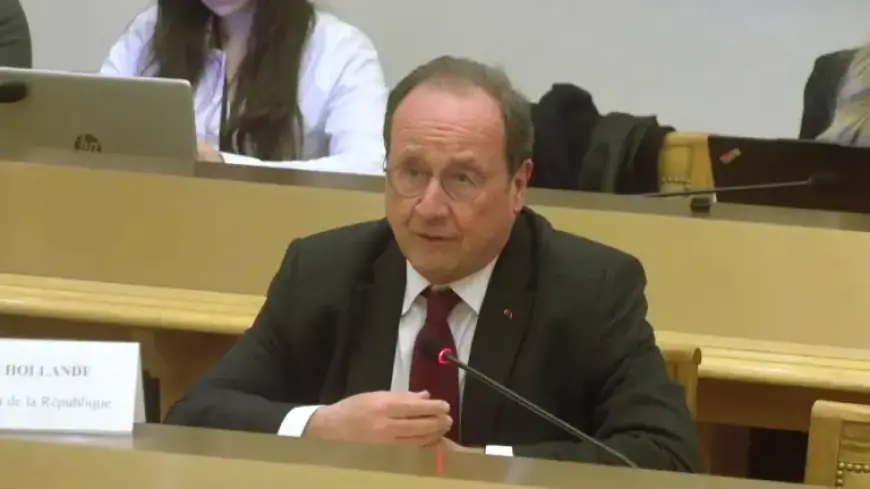
Ten years after the 2015 Paris Agreement, former president François Hollande appeared before the Senate. He came to defend the deal and outline its future. The hearing was part of an RDPI information mission on French climate diplomacy under global strain.
Context of the hearing
The mission is titled “La diplomatie climatique française à l’épreuve d’un monde en tension.” Rachid Temal chairs the commission that organized the session. Senators sought an assessment of France’s international influence on climate policy.
Diplomatic method behind COP21
Hollande stressed lessons drawn from the 2009 Copenhagen failure. He said a summit of leaders alone had not produced an effective outcome. That lesson shaped the two-year diplomatic push toward COP21.
France worked to engage major emitters like the United States and China. It also reached out to vulnerable states threatened by sea level rise. The process required written national commitments from each country.
Those contributions formed the Paris Agreement framework. The aim included limiting warming to 1.5 °C.
Assessment of the agreement
Hollande called the Paris Agreement historic yet fragile. He said multiple crises now strain its implementation. Wars, energy tensions, and economic shocks create competing priorities.
Sophie Briante Guillemont, a senator linked to the RDSE group, questioned continuity. She pointed to recent cuts in public development aid. The question was whether French climate diplomacy remains steady.
Communist senator Michelle Gréaume offered a critical appraisal. She said commitments have softened the warming trajectory. But she argued those pledges remain insufficient and not legally binding.
Admitted shortcomings and missed opportunities
Hollande acknowledged structural limits. He noted the agreement lacked enforcement mechanisms and sanctions. He also admitted past underestimation of the scale of warming.
He criticized Europe for not filling the void after the United States withdrew under President Trump. He described that failure as a major lost opportunity for influence.
Carbon pricing and international coalitions
On the price of carbon, Hollande called it an essential policy tool. He regretted the absence of a robust international coalition on carbon pricing. He pointed to persistent divisions within Europe as an obstacle.
Calls for sustained mobilization
Hollande urged that climate diplomacy must be constant, not episodic. He recommended working beyond headline COPs by attending many smaller meetings. He pushed for thematic initiatives on glaciers, coasts, and desertification.
The former president argued such initiatives keep international pressure and public attention alive. He said they also feed long-term policy making and may guide future presidential decisions.
Filmogaz.com