























Judge Declares Trump’s NPR, PBS Funding Cuts Unconstitutional

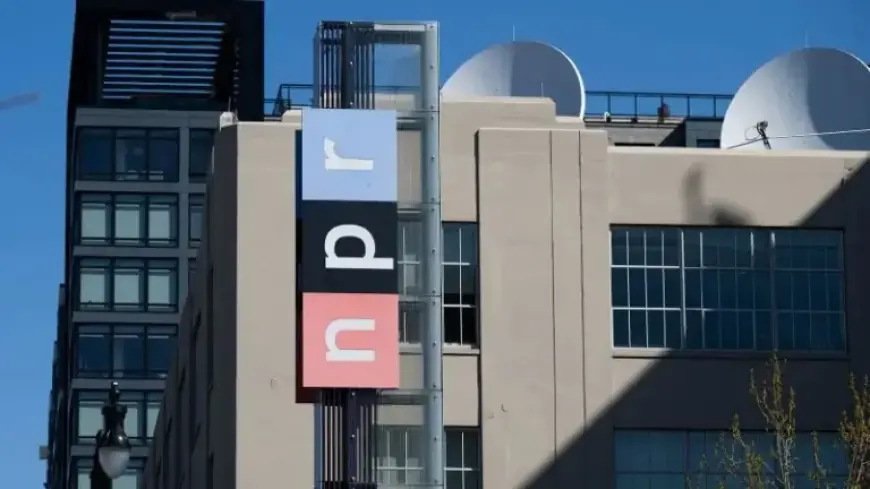
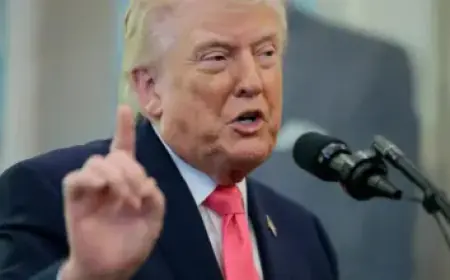
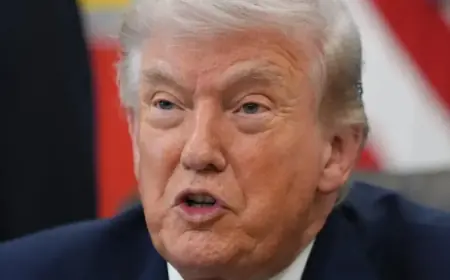
A federal judge on Tuesday blocked a key part of President Trump’s executive order that targeted public broadcasters. The ruling found that the government cannot deny federal funds based on a news outlet’s editorial viewpoint.
The court decision
Judge Randolph Moss issued a permanent injunction to stop the administration from enforcing the order. He wrote that the First Amendment forbids using funding to punish disfavored speech.
Moss said the executive directive singled out two speakers and barred them from federally funded programs. He cited a 2024 Supreme Court ruling in support of his analysis.
About the executive order
The order, titled “Ending Taxpayer Subsidization of Biased Media,” directed agencies to end any direct or indirect funding of NPR and PBS. It prompted lawsuits from both public broadcasters.
Judge Moss ruled that parts of the order are unconstitutional because they amount to viewpoint discrimination and retaliation.
Funding consequences and recent cuts
Congress rescinded future federal support for public media last summer. Those cutbacks took effect last fall and affected stations nationwide.
In May 2025, the Department of Education canceled $23 million in grants for educational television shows. Moss deemed that action unlawful in his opinion.
Potential for restored grants
The ruling does not automatically restore congressional appropriations. It could, however, reopen the possibility of federal grants from other agencies.
Public broadcasters have historically received agency grants. This decision may clear a path for some targeted funding in the future.
Responses from NPR and PBS
NPR CEO Katherine Maher called the ruling a decisive affirmation for a free and independent press. She said the court made clear the government cannot use funding to influence or penalize journalism.
PBS said it was thrilled with the decision. The network described the order as unconstitutional viewpoint discrimination and vowed to continue its public mission.
Local impact and lawsuits
The congressional cuts and administrative actions forced many local stations to trim staff and reduce programming. Despite the pressure, both networks remained on the air.
NPR and PBS filed suit to defend the principle that the government may not wield financial power to punish speech. Their cases led to this judicial check on the administration.
The judge’s action effectively declares unconstitutional elements of the administration’s attempt to end funding to NPR and PBS. Filmogaz.com will update this story as developments continue.