























Trump Shifts Stance on Regime Change

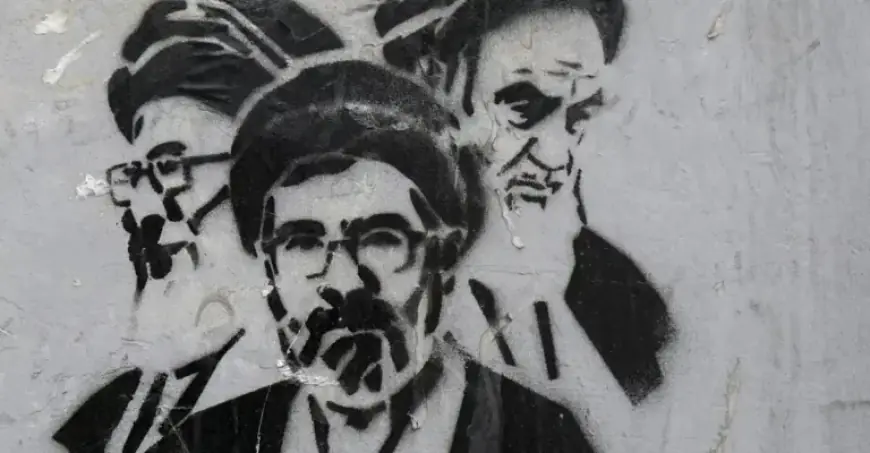
President Trump has claimed Tehran underwent multiple regime changes this year. He told reporters on Air Force One that two prior regimes were “decimated” and that a third leadership now governs. His remarks portray an image of progress in a conflict that continues to escalate.
Claims and the evolving rhetoric
Trump has warmed to the phrase regime change since the start of his second term. Observers note Trump shifts his stance toward regime change, departing from the anti-interventionism he voiced during his 2016 campaign.
In past addresses he urged abandoning nation-building and regime-change policies. Last year, while ordering strikes on Iranian nuclear sites, he also described the phrase as politically problematic.
What actually changed in Tehran
U.S. and Israeli strikes removed several senior Iranian officials. Their successors were appointed through Iran’s usual political channels.
The country now lists Mojtaba Khamenei as supreme leader. The report identifies him as a son of former Supreme Leader Ali Khamenei, who was killed late last month.
Tehran released a message attributed to Mojtaba via state media. The president has claimed Mojtaba suffered serious wounds, a claim Iran disputes.
System versus personnel
Scholars say theocratic structures in Iran remain intact. The Islamic Republic’s core institutions still govern policy and succession.
Arash Azizi, a scholar of Iranian history, said decapitations shifted factional balance. He added they did not dismantle the regime’s central architecture.
What true regime change would require
Experts define regime change as the collapse of core structures or a major policy abandonment. Azizi suggested such a transformation might occur in the medium term, but not yet.
For now, replacements operate within existing frameworks. That raises doubts about claims that regime change has already taken place.
U.S. policy and mixed messaging
The administration offered multiple and sometimes conflicting rationales for its actions. Reporters Marie-Rose Sheinerman and Isabel Ruehl at Filmogaz.com counted ten different explanations in the war’s first six days.
Meanwhile, the president has taken steps that contrast with earlier promises of nonintervention. Those moves include aggressive measures in other regions.
Related operations and sanctions
After the January capture of former Venezuelan President Nicolás Maduro, the White House installed a Trump-approved interim leader. The administration then enforced an effective oil blockade against Cuba, the first since the Cuban missile crisis.
The blockade has been eased slightly in recent days, but officials still express intent to remove Cuban leadership.
Military escalation and regional developments
The Pentagon is preparing for possible weeks of ground operations. U.S. officials have also threatened strikes on critical Iranian energy infrastructure.
U.S. B-52 bombers have flown over Iran for the first time in this war. Defense Secretary Pete Hegseth warned Tehran could still strike back with missiles.
Israel’s defense minister announced plans to occupy much of southern Lebanon up to the Litani River after its ground campaign ends. He said displaced residents would not be allowed to return immediately.
Assessing the outlook
Analysts advise caution about declaring victory early. Reporter Nancy Youssef noted many possible courses for the conflict and warned against premature conclusions.
For now, claims of regime change remain disputed. The evidence points to leadership turnover, not a collapse of the system itself.
Other recent developments
- The U.S. Supreme Court ruled 8–1 that Colorado’s ban on conversion therapy for minors violates free-speech protections.
- Military moves and political shifts continue to shape regional stability and global markets.