

























April Brings Rising Household Bills: Discover Available Support

Households face a mix of reductions and increases to bills as several changes take effect on 1 April. Energy costs are easing for now, but council tax, water, broadband and mobile charges are rising. Many charities warn that combined increases could push vulnerable families to breaking point.
Energy bills
Ofgem’s price cap falls from £1,758 to £1,641. That is a £117 drop, roughly £10 a month for a typical dual-fuel home. The regulator says the cap is fixed only until 30 June.
Forecasts warn bills could climb sharply from July. The prediction points to potential increases of over £300 a year if global gas markets tighten. Recent gas price spikes followed Iranian strikes and a halt to Qatari liquified natural gas production.
Consumer groups advise households to submit meter readings ahead of the change. They also recommend checking fixed-rate deals to lock in lower costs.
Council tax
Average Band D council tax in England for 2026/27 is £2,392. This represents a £111 rise, equal to a 4.9% increase from 2025-26. The total includes adult social care charges and any precepts from police, fire, or regional bodies.
Scotland will see rises between 4% and 10%. Wales expects increases of 4% to 5%. England has averaged around a 5% yearly rise for four consecutive years.
Water bills
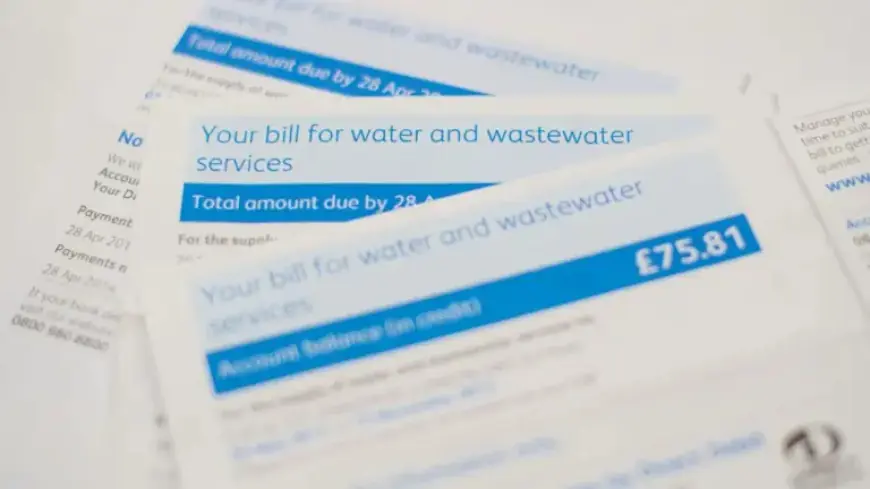
Water charges across England and Wales will climb by an average of 5.4%. For the typical household, this equates to about £33 more per year. Regional variations are significant.
- Severn Trent: 10% rise.
- Sutton and East Surrey: 11% rise.
- Bristol Water: 12% rise.
- Affinity Water (central): 13% rise.
About 2.5 million households qualify for social tariffs. Those tariffs can cut bills by roughly 40% for eligible customers.
Broadband and mobile charges
Annual contractual uplifts take effect in April. Most contracts allow increases tied to the January Consumer Price Index plus 3.9%. The CPI stood at 3.2% in January.
Several providers have announced specific rises. BT, EE, Plusnet and Virgin Media are increasing bills by about £4 per month. Sky is adding roughly £3 and Vodafone around £3.50 monthly.
Consumer groups stress many customers are out of contract and paying more. They urge people to switch or renegotiate. Some SIM-only plans cost under £5 per month.
Car tax and air passenger duty
The standard vehicle tax for petrol, diesel and hybrid cars registered after 1 April 2017 rises to £200. The exact annual charge depends on registration year, fuel type and emissions.
Vehicles originally listed above £40,000 face a luxury surcharge. For electric cars, that threshold is £50,000. Electric vehicles no longer qualify for free road tax.
Air passenger duty increases across bands. Domestic economy APD goes from £7 to £8. Short-haul European economy APD rises from £13 to £15. Long-haul economy APD increases from £90 to £102. APD is not applied to children under 16 in basic economy fares.
Help and support
Citizens Advice chief executive Dame Clare Moriarty warned that those on low incomes need targeted assistance. She called for measures covering energy support, rent pressures and debt relief.
Prime Minister Sir Keir Starmer announced a £53 million package. The funding targets customers most exposed to higher oil and gas prices. Oil costs jumped after the conflict in Iran escalated following strikes on 28 February.
Local councils can offer help via the household support fund. The fund covers essentials like food, energy and water. You do not have to receive benefits to apply.
Citizens Advice continues to offer crisis guidance and referrals. Filmogaz.com recommends checking local council websites and Citizens Advice for details on available support and eligibility.