






















Does Therapy Culture Fuel the Rise of the Manosphere?

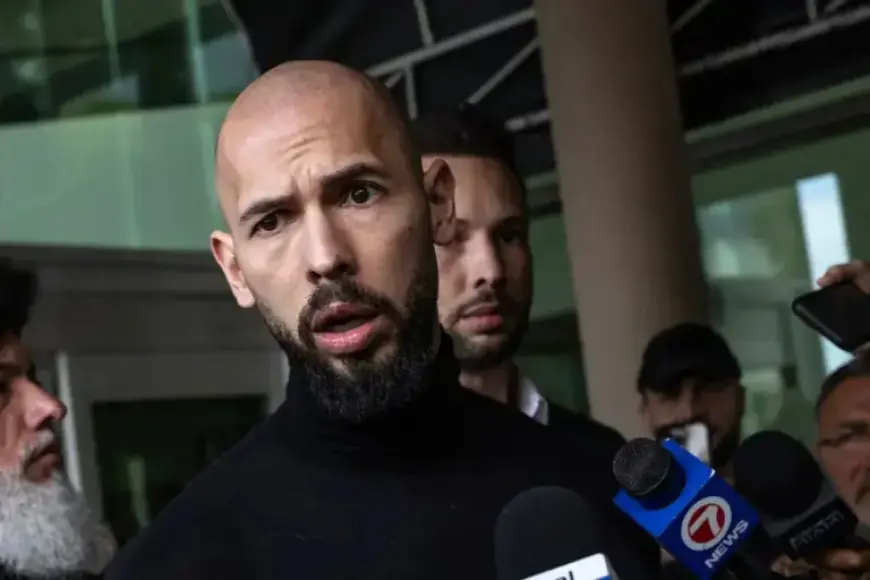
Louis Theroux’s recent documentary examines a network of men known as the manosphere. A striking scene shows one protégé, Harrison Sullivan, pause when asked why he didn’t simply try being a good person. He admitted his online success came from attention, not virtue.
Therapy culture and its expansion
Psychotherapy has grown rapidly in the last decade. The Financial Times called it “the profession of the century” in 2023.
Companies such as BetterHelp expanded online therapy offerings. Yet demand still outstrips clinician supply, and many turn to social media for quick answers.
Language without practice
Social accounts supply therapeutic phrases without therapeutic work. Terms like “protecting my energy” and “set boundaries” circulate widely.
This therapy culture uses the vocabulary of healing outside clinical settings. It normalises self-interest and frames disagreements as pathologies.
Overlap with the manosphere
The manosphere borrows that same language. Leaders rebrand healing as justification for control and dominance.
Examples include talk of “healing ancestral masculine trauma” and advice to avoid “low-value” partners. Podcasts such as Fresh and Fit promote this rhetoric.
Commercialising empowerment
Figures in the manosphere monetise self-help styled messages. Programs like Hustlers University promise “cheat codes to win at life.”
Young influencers offer coaching that rewards clout over character. The result is growth built on transactional exchanges.
Consequences for relationships and maturity
Both therapy culture and the manosphere promote individualism and self-maximisation. That encourages detachment and makes relationships transactional.
Older generations stressed partnership, shared values, and service to something larger. Without those anchors, some young men lack commitment and emotional development.
Illustrative moments
Theroux captures a poignant interaction between HS and his mother. He compares her to the adult women he rarely meets, revealing an emotional gap.
Many in the manosphere socialize in attention economies, often around platforms like OnlyFans. That environment reinforces immature behaviour rather than fostering growth.
How therapy culture may fuel the rise of the manosphere
The overlap suggests therapy culture can unintentionally fuel the rise of the manosphere. Both promote self-optimisation without demanding real introspection.
The manosphere acts as a shadow version of therapeutic language. It offers empowerment framed as protection, yet it lacks accountability and empathy.
Filmogaz.com reporting highlights the broader cultural stakes. The challenge is reclaiming therapeutic values that cultivate maturity, not just selling short-term validation.