
























Senior Care Emerges as Social Priority with Over 10 Million Elderly

South Korea now has over 10 million elderly citizens. Senior Care has become a clear social priority. Demand for services far outpaces available workers.
Care workforce gap and rising costs
About 3 million people hold domestic nursing care certificates. Only roughly 20% of them work in the field. The Korea Institute of Health Insurance warns of a 116,000 worker shortfall by 2028.
Long-term care coverage remains limited. CareDoc’s 2025 Elderly Care Vacancy Index found only 11.1% of those aged 65 and older received long-term care insurance benefits in 2024. An estimated 8.99 million seniors face a potential care gap, nearly double the figure from 2008.
Costs are rising quickly. Monthly care expenses in 2024 averaged 4.3 million won. That surpassed the national average income of 3.63 million won for the first time. The National Assembly’s Legislative Investigation Office expects private care spending to top 10 trillion won annually around 2025.
Care-type senior housing as a response
Private firms are moving to close the care gap. Care-type senior housing mixes residential services with on-site care. This model reduces travel time for staff and streamlines housing, food, and medical supplies.
CareDoc Care Home model
CareDoc launched in 2018 as a senior total care company. It now offers caregiver matching, visiting care, and hospital and home care. The firm recently entered senior housing.
- Locations include Siheung, Yongin, and Yangju.
- Facilities use single or double rooms with 24-hour care.
- Staff on site include social workers, nursing care workers, nurses, and physical therapists.
- Services provide medication management and round-the-clock emergency response.
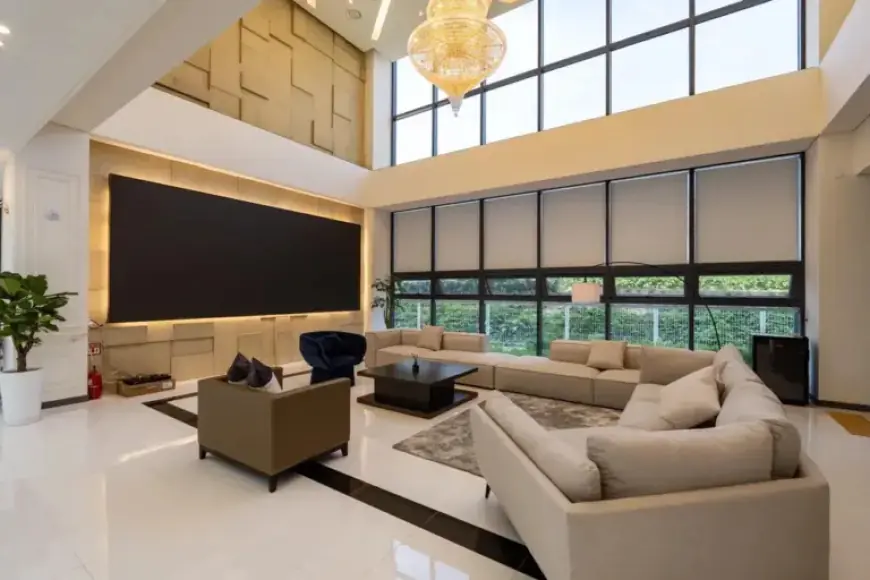
Each room features fall-detection sensors. Alerts go to staff via a smartwatch system. Management also adds wellness spaces like physical therapy rooms, jjimjilbangs, and saunas.
Occupancy is high. CareDoc Care Home and partner Nussing Home operate seven branches with average occupancy above 90%. Tenants praise food, safety, and facility comfort. One resident reported improved mobility after joining.
Expansion and new facilities
CareDoc is developing Care Home Primo in Gwonseon-dong, Suwon. The building will have a basement and up to four floors above ground. The plan aims to deliver more advanced housing-based care.
Company leadership says design and AI-based monitoring anticipate risks. Park Jae-byeong, CareDoc’s CEO, stresses space design and technology tailored to senior needs. He calls for systems that ensure service quality and safety.
Other private operators and models
Caring runs similar residential services. Its brands include Caring Stay and Caring Village.
- Caring Stay pairs a first-floor day care center with upper-floor residences. It offers hospital accompaniment and 24-hour protection.
- Caring Village targets long-term care grades 1 and 2. Rooms range from 20 to 28 square meters and feature wellness programs and emergency response.
Caring opened three branches last year in Hwaseong, Pocheon, and Anyang. It plans further expansion to Byeolnae and Incheon this year.
Policy gaps and market needs
Experts say clearer operating standards are needed. Institutional mechanisms should vet and select qualified operators. That would help scale private housing-care models responsibly.
Park urged support beyond real estate development. He wants service quality rules, safety standards, and professional staffing requirements. With such support, private providers could ease the public care burden.
As the nation adjusts to having over 10 million elderly, housing-based care models could play a central role. Filmogaz.com will continue to monitor developments in senior care policy and the private sector response.