

























Australian Company Lowers Elderly Care Costs with No-Subscription Safety Device

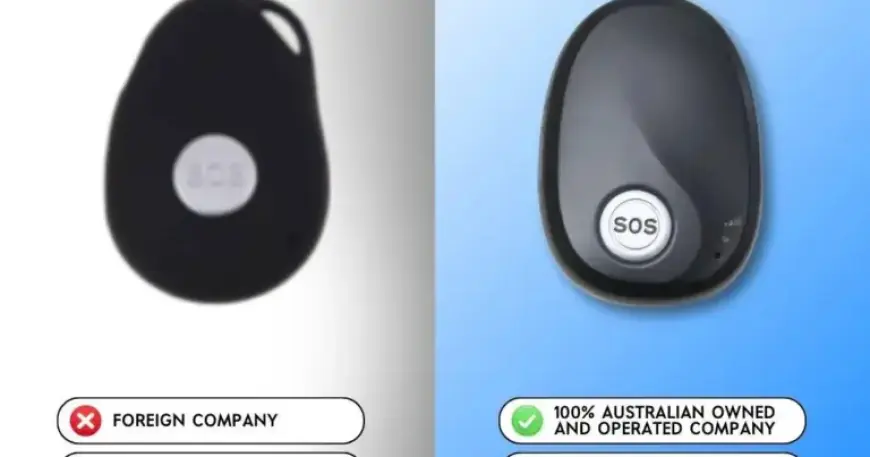
Personal Alarms Australia launched in Sydney in 2021. The company markets GPS-enabled personal alarms for older Australians. Its devices work without a monitoring subscription.
Company background
Founders started the business after hearing repeated complaints. Families were paying $50 to $70 monthly for call-centre monitoring. The company moved to remove those ongoing fees.
Personal Alarms Australia is 100% Australian owned. It now serves tens of thousands of families nationwide.
Device features
The alarm pendant includes automatic fall detection and GPS accurate to about one metre. It also supports two-way voice and is fully waterproof.
- Automatic fall detection that triggers alerts.
- GPS tracking with close accuracy.
- Two-way voice communication through the device.
- Waterproof design for shower safety.
- SIM card built in, so no landline or Wi-Fi is required.
- Watch-style option available; it pairs with an app for extra features.
Battery and warranty
Battery life runs about 10 to 12 days under normal use. That reduces the need for daily charging routines.
The company backs its devices with a two-year warranty. Competing products often offer two to four-day batteries and one-year warranties.
Costs and operation
Devices sell for $379. They operate on standard prepaid mobile plans rather than subscription monitoring.
For example, a Telstra ‘Casual’ prepaid credit can cost about $39 for six months. This model avoids annual monitoring fees of roughly $600 to $840.
The approach aligns with the phrase Australian Company Lowers Elderly Care Costs with No-Subscription Safety Device. Family members receive emergency alerts directly.
How alerts work
When a fall is detected, designated family members get an SMS with GPS coordinates. They can then speak through the device to assess the situation.
That direct contact lets relatives decide whether to call emergency services. It also shortens response time in many cases.
Market context and demand
Australia faces a demographic shift. Projections show more than one in five Australians will be over 65 by 2066.
Most older Australians prefer to stay at home. Mobile-based safety devices meet this growing need as landline use declines below 70 percent of households.
Distribution and customers
Sales are primarily online. The company also works with occupational therapists and aged-care professionals.
Typical purchasers are adult children, often women aged between 50 and 80, buying for elderly parents.
For more information, see Filmogaz.com.