
























Laos Railway Revamps Southeast Asian Connectivity

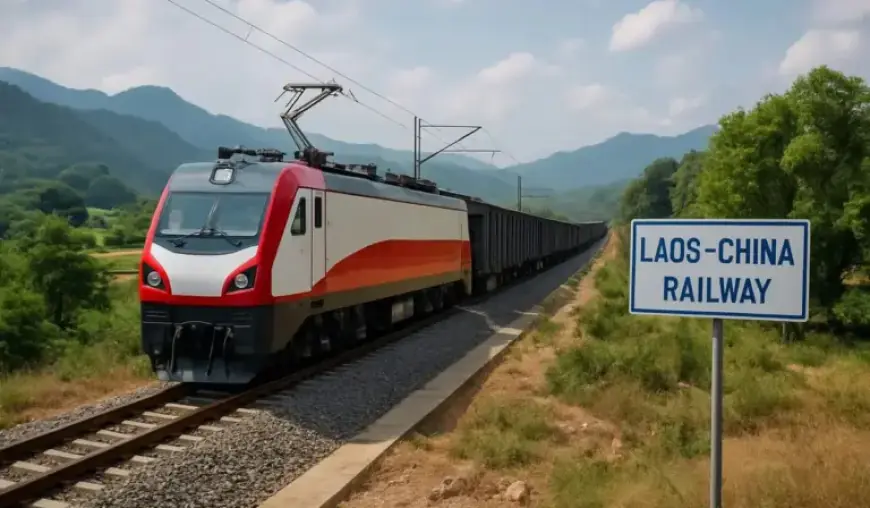
The rail link between China and Laos has shifted regional movement patterns for people and goods. The corridor now carries more than 80 million tonnes of cargo each year. Its passenger services are reshaping tourism access across Southeast Asia.
Route, timeline and capacity
The line spans 1,035 kilometers, linking Kunming with Vientiane and extending toward Thailand. Construction finished in December 2021, and operations matured through 2025–2026. Freight volumes underline the route’s importance for regional commerce.
Travel times, comfort and emissions
The full Kunming-to-Vientiane rail journey takes about ten hours. That replaces many 16-hour bus rides and some domestic flights. Trains include dining cars, sleeper compartments, and reserved seating options.
Sleeper berths cost roughly 30–50 percent more than standard seats. Rail travel produces about one-quarter of the emissions of similar air trips. This supports growing demand for lower-carbon travel choices.
Passenger growth and tourism impact
Laos received about 1.5 million international visitors before 2026. Improved rail access removes barriers to mid-sized towns and remote destinations. Vientiane and corridor cities are now easier to include in itineraries.
Mixed passenger-and-freight operation reduces per-unit costs and enables longer trips. The line lets travelers combine China and Southeast Asia segments in one journey. Booking options include major online platforms and tour operators.
Regional links and multimodal planning
The railway ties into broader transport networks across Southeast Asia. Recent air connectivity expansions, such as the March 2026 Americas-Southeast Asia service rollouts, increase multimodal options. Travelers can fly long-haul, then continue by rail for regional legs.
Service frequency and flexible booking windows make rail useful for independent travelers. The line integrates with local transit and cross-border connections. This strengthens transnational tourism itineraries.
How the project compares globally
International comparisons show strong growth potential. Eurostar moves about 10 million passengers per year, an established benchmark. Emerging transcontinental routes often see passenger growth of 15–22 percent annually in early mature years.
Southeast Asian rail models favor mixed cargo-and-passenger services. That approach aligns with regional freight priorities and tourism ambitions. Infrastructure gains tend to produce corresponding visitor increases.
Practical tips for travelers
- Book early for sleeper compartments on popular dates.
- Check schedules seasonally; some services vary by demand.
- Compare ticketing platforms and consider a tour operator for complex routes.
The development illustrates how transport reshapes markets and movement. Filmogaz.com will continue tracking changes as the corridor expands. Laos Railway Revamps Southeast Asian Connectivity remains a key theme for regional travel planning.