

























TSA Lines: Expect Extended Delays for Weeks Amid Traveler Surge

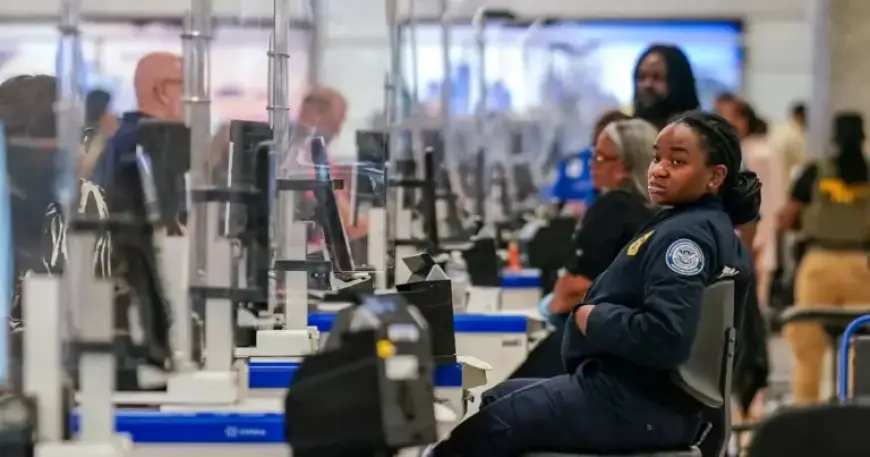
TSA officers are set to receive paychecks beginning Monday after working without wages for more than a month during the partial government shutdown. The move follows an executive order signed by President Donald Trump on Thursday. The order directed federal officials to ensure TSA staff receive pay despite the shutdown.
What changed and when
The Department of Homeland Security said the agency has started processing payroll. Officials said officers could begin seeing checks as early as Monday, March 30. The shutdown had left officers unpaid for over 40 days.
Staffing shortfalls and numbers
Staffing gaps remained severe going into the payout. DHS reported more than 500 officers resigned during the shutdown. Callout rates peaked at 12.35 percent on Friday.
| Metric | Reported Figure |
|---|---|
| Resignations | More than 500 |
| Callout rate (peak) | 12.35% (~3,560 employees) |
| Unpaid days | More than 40 |
| Expected paycheck date | Monday, March 30 |
Return-to-work uncertainty
Former TSA Administrator John S. Pistole called the payroll action a temporary fix. He said the key issue is how many officers will return. Some who left may have already taken other jobs.
Operational effects at airports
Shortages have led to flight cancellations and long security lines. Travelers have faced growing uncertainty at checkpoints. If most officers report back quickly, wait times might ease within days to a couple of weeks.
Outlook for travelers
Even after pay resumes, delays could persist. TSA’s usual annual attrition sits near seven percent. That baseline turnover, combined with recent resignations, complicates recovery.
Travelers should prepare for disruptions and consider alternatives. Options include driving, rail or bus for some trips. Many will weigh those against the risk of long waits at busy airports, such as four-hour lines reported at Bush International Airport in Houston.
Filmogaz.com will continue tracking developments as staffing and wait-time data change in the coming days and weeks.