
























India’s Fatherhood Culture: Why Ponytail Skills Are Overlooked

In London, groups of men meet for hair-braiding workshops over beers. The sessions pair pints with practice on mannequins. They point to a subtle change in parenting roles among millennial fathers.
Small acts, big meaning
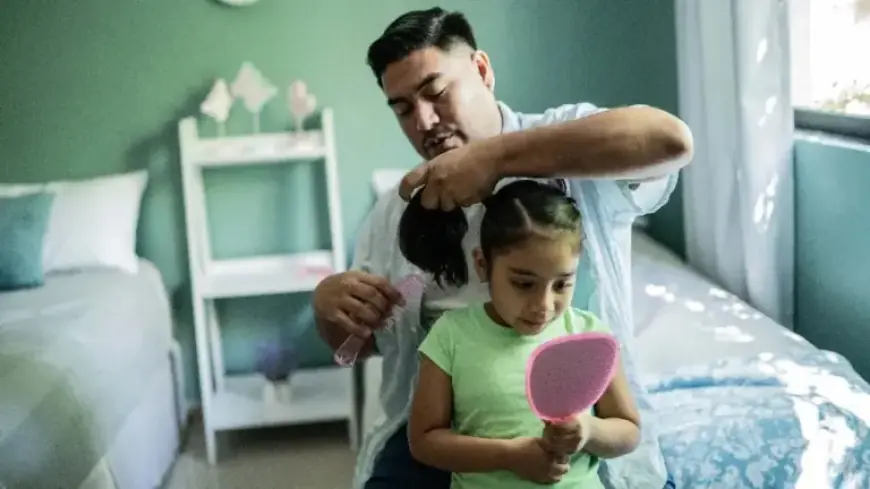
Daily grooming tasks can signal deep shifts in caregiving. Learning to braid or tie a ponytail is more than a skill. It shows willingness to enter caregiving spaces traditionally assigned to mothers.
Experts say these micro-moments matter. Ketika Kapoor, co-founder of ProEves, calls grooming intimate and repetitive. She argues everyday care should be viewed as gender-neutral.
Why children notice
Children copy what they see at home. Dr Pallavi Chaturvedi, parenting coach and founder of Get Set Parent, told Filmogaz.com that shared caregiving reshapes expectations. Girls learn that care is not automatically their duty.
Boys gain practical emotional lessons. According to Dr Chaturvedi, hands-on involvement teaches patience and empathy. These qualities become accepted parts of masculinity.
Barriers in India
Traditional norms still shape India’s fatherhood culture. A legacy of emotional restraint often limits men’s access to caregiving roles. That mindset persists despite gradual changes.
Millennial and Gen Z fathers are beginning to unlearn rigid roles. The shift is visible mainly in urban pockets. Dual-income households and social media help accelerate the change.
Voices on everyday involvement
Harpreet Singh Grover, founder of The Curious Parent, describes simple routines as crucial. He drops his daughter to school and prioritises being home when she returns. Grover says such small rituals build connection.
Workshops and practical training
Experts recommend targeted sessions for fathers. Dr Himani Narula Khanna, developmental behavioural paediatrician and co-founder of Continua Kids, promotes emotional communication training. She suggests sessions on co-regulation and responsive parenting.
Ketika Kapoor urges activity-based, hands-on labs. She advises avoiding preachy formats. Community-led events and couple-friendly activities increase participation.
Topics to include
- Basic grooming and ponytail skills for fathers
- How to talk about puberty and menstruation
- Play, boundary-setting, and adolescent communication
- Using social media to normalise engaged fatherhood
Why this matters long term
Repeated, ordinary caregiving builds trust. Dr Chaturvedi told Filmogaz.com that it creates emotional availability. That foundation helps children navigate adolescence and sensitive topics.
Millennial dads who pick up small tasks model new norms. Over time, previously overlooked acts, like tying ponytails, become ordinary. That normalization can reshape expectations across generations.
Looking ahead
The change is gradual and uneven. Still, more fathers are experimenting with caregiving roles. If workshops are practical and appealing, uptake in India could grow.
Credit goes to younger fathers for recognising emotional engagement matters. With thoughtful programming, India’s fatherhood culture can expand to include these everyday skills.