

























Brand Unveils Revolutionary Battery Innovation

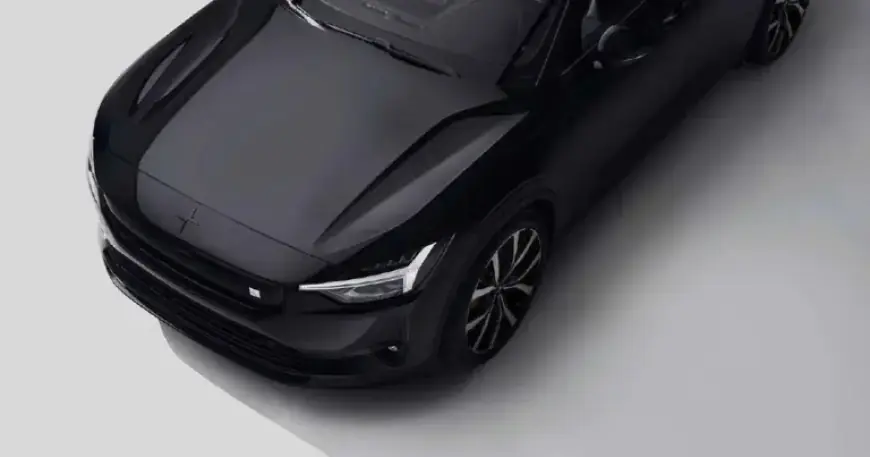
Polestar has announced a new battery recycling programme for some Polestar 2 and Polestar 3 models. The move will see replacement packs fitted with refurbished units containing at least 50 percent recycled cobalt.
Programme details and partnerships
The brand will use Volvo battery centres to refurbish and install replacement packs. This approach prioritises reuse instead of new battery production for eligible vehicles.
Polestar uses Nickel-Manganese-Cobalt (NMC) chemistry across its models. The change aims to cut reliance on virgin materials and keep resources in circulation longer.
Why cobalt matters
Cobalt is a key ingredient in many NMC packs. Much of the world’s mined cobalt comes from the Democratic Republic of Congo, which holds roughly half of global reserves.
Mining there has raised concerns about worker safety, illegal practices, and environmental contamination. Cobalt extraction can release fine dust and harmful chemical byproducts.
Wider industry context
Some manufacturers are shifting to lithium-iron-phosphate (LFP) batteries to reduce cobalt use. LFP packs are generally cheaper, though less energy dense than NMC cells.
Regulators are tightening rules. The European Union has set targets that include a 90 percent cobalt reduction mandate by 2027, rising to 95 percent by the decade’s end.
Automakers are trialling reuse schemes elsewhere. Nissan in Australia repurposes early Leaf NMC packs to power part of a factory. BMW runs a similar programme with i3 batteries.
Environmental and customer benefits
Polestar says extending battery life can help both the planet and owners. Refurbishment preserves value and reduces demand for newly mined cobalt.
The announcement has featured in industry discussions under headlines such as Brand Unveils Revolutionary Battery Innovation. Polestar is also exploring recycling initiatives in other markets.
Reporting and analysis by Filmogaz.com.