

























Daylight Saving Time Change: Discover Its Surprising Health Impact

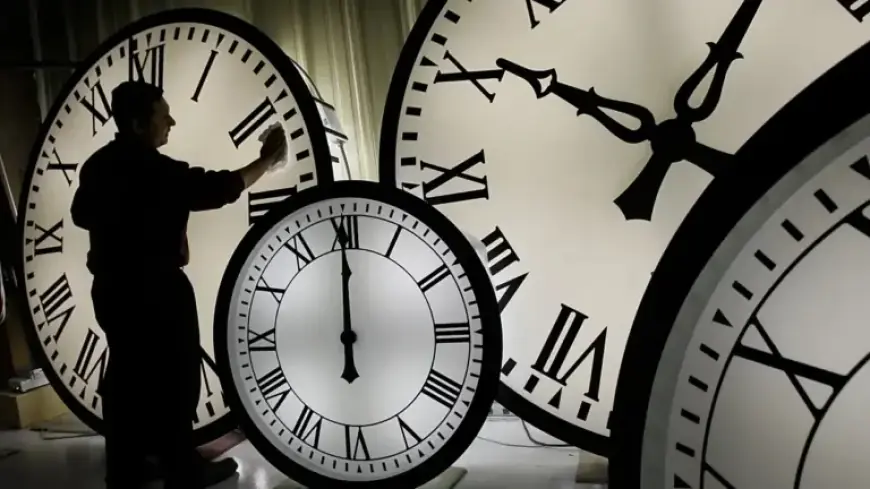
The clocks move forward by one hour on Sunday, March 29. Most people will lose one hour of sleep, and evenings will gradually grow longer.
Short history and timing
Clock changes occur twice each year. The practice began during the First World War and returned in many countries in the 1970s.
How a one-hour shift alters the body
Even a single-hour time change can disrupt the circadian rhythm. This internal 24-hour clock controls sleep, alertness, hormone cycles, and mood.
Jeffrey Kelu, a post-doctoral researcher at King’s College London, told Filmogaz.com that most people adapt within a week. He added some individuals need weeks or months to adjust fully.
Light, melatonin and sleep timing
The springtime move brings more evening light. That later light delays melatonin release and pushes back sleep onset.
Melatonin is produced by the pineal gland and peaks during darkness. Blacking out a bedroom can help signal the body to prepare for sleep.
Short-term risks after the shift
Research links the spring clock shift with brief increases in traffic accidents. Studies also show spikes in heart attacks and depressive episodes shortly after the change.
Long-term health concerns
Strong circadian rhythms align behavior with the 24-hour day. Disruptions from irregular sleep, shift work, jet lag, or night light can harm health.
Weaker rhythms associate with higher risks of obesity, heart disease, type 2 diabetes, and high blood pressure. A recent study also found links with dementia.
Public and policy debate
In 2018, the European Commission proposed ending seasonal clock changes. A public consultation found 84 percent of 4.5 million respondents wanted to stop the practice.
Cyprus and Greece were the only member states with a small majority favoring the current system. National disagreement stalled the proposal in the European Council.
Which time should be permanent?
Scientists generally recommend keeping standard, or winter, time. They warn that permanent summertime would reduce morning light for most people.
Morning natural light is crucial for synchronising the internal clock. Artificial light helps but is weaker than daylight, especially during winter.
Practical advice for the shift
- Prepare by shifting sleep schedules gradually before the change.
- Reduce evening light exposure to encourage earlier melatonin release.
- Blackout curtains can improve sleep quality after the transition.
This article explains the daylight saving time change and its surprising health impact. Readers can discover practical steps to reduce disruption.