

























Iran Conflict Escalates: Rising Death Toll Disrupts Energy Markets

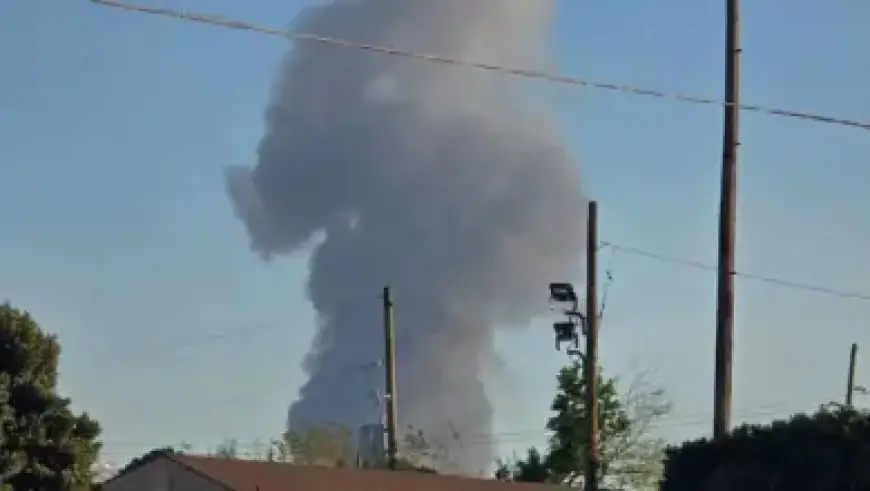
Israeli Defense Minister Israel Katz said an Israeli strike killed Commodore Alireza Tangsiri. Katz released a video statement confirming the death and other senior naval officers were eliminated.
Targeted strike and Iranian naval role
Israeli media and Channel 12 first reported the strike. The Israeli military has killed dozens of senior Iranian commanders since the conflict began on Feb. 28.
Tangsiri led the Islamic Revolutionary Guard Corps navy. He was tied to operations that mined and blocked the Strait of Hormuz.
Strait of Hormuz and recent maritime incidents
The strait has been largely unpassable for most international vessels for 26 days. The U.K. Maritime Trade Operations center reported the last confirmed incident on March 19.
Two days before the strike, Tangsiri ordered a container ship from the Port of Sharjah turned back. Iranian drone and missile attacks on commercial vessels were blamed for the disruptions.
Regional fighting and casualties
An Israeli soldier, Staff Sergeant Ori Greenberg, 21, from Petah Tikva, was killed in southern Lebanon. He served in the Golani Brigade reconnaissance unit.
Three Israeli soldiers have died in south Lebanon since Hezbollah launched rocket attacks on March 2. Those attacks followed the killing of Iran’s supreme leader, according to reports.
Gulf states struck and civilian casualties
Two people in the UAE died after debris from an intercepted Iranian ballistic missile fell near Abu Dhabi. Saudi forces reported shooting down at least 18 drones.
Kuwait reported a new missile and drone attack. Iran has targeted Gulf states it accuses of aiding U.S. strikes, including strikes on energy sites.
Military campaign claims
CENTCOM commander Adm. Brad Cooper said Operation Epic Fury is on plan or ahead of plan. He reported the U.S. struck more than 10,000 military targets as of Wednesday.
Cooper added Israel struck “thousands more.” He said U.S. forces destroyed 92% of Iran’s largest naval vessels and damaged or destroyed over two-thirds of missile, drone and naval production sites.
Diplomacy and U.S. messaging
White House press secretary Karoline Leavitt said talks with Iran continue. She described some progress and acknowledged elements of truth in reports about a 15-point U.S. plan.
President Trump said he avoids calling the campaign a “war” because Congress has not authorized one. He still described it as a military operation and said Iran was negotiating but reluctant to admit it.
The White House warned the U.S. is prepared to “unleash hell” if Tehran rejects a deal, according to Leavitt.
Market impact and economic measures
Oil prices rose sharply as the Strait of Hormuz remained effectively closed. Brent crude climbed 3.3% to $100.41 per barrel.
Benchmark U.S. crude jumped 3.8% to $93.74 per barrel. Oil has risen about 40% since the conflict began on Feb. 28.
- Asian markets: Nikkei -0.3% at 53,603.65; Kospi -3.2% at 5,460.46.
- Hang Seng -1.9% at 24,856.43; Shanghai Composite -1.1% at 3,889.08.
- U.S. futures were down 0.5%; Wall Street closed higher the previous day.
South Korea announced a 25 trillion won supplementary budget next month. The package equals roughly $17 billion and will expand fuel tax cuts.
South Korea imports about 70% of its crude from the Gulf. Japan released another tranche of strategic reserves to ease price pressure, importing over 90% of its oil from the Middle East.
The Philippines received more than 700,000 barrels of Russian crude after declaring a national energy emergency.
The Iran conflict escalates and the rising death toll disrupts energy markets. Governments and markets remain on edge as military action and diplomacy continue.
Filmogaz.com will monitor developments and report updates as they occur.