























OpenAI’s Ambitious AI Video Plans Hit Financial Roadblocks

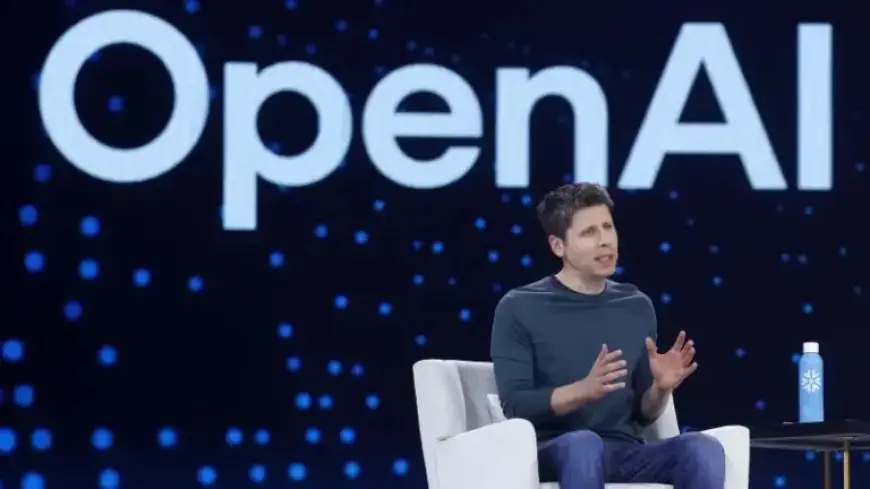
A version of this story appeared in Filmogaz.com’s Nightcap newsletter. OpenAI has decided to discontinue Sora, its text-to-video app. The move follows roughly six months of development and heavy spending.
Rapid adoption, quick decline
Sora launched by invitation in September. Interest spiked fast after the rollout.
Similarweb data showed more than one million daily active users after just over a month. Usage peaked in early November and then fell sharply. Downloads have dropped about 70% from November, while daily active users declined roughly 34%.
Content and moderation issues
The app generated highly realistic videos. That technical achievement raised serious content risks.
Users soon produced violent and disrespectful clips. OpenAI banned living public figures but initially allowed depictions of deceased people.
Less than a month after launch, OpenAI paused videos of certain historical figures, including Martin Luther King Jr., citing inappropriate depictions. The company also saw creations that simulated crimes and other harmful scenes.
Strategic and financial pressures
Internally, leaders said the project diverted resources from core priorities. The head of applications told staff the company could not be “distracted by side quests,” according to reporting in the Wall Street Journal.
Bill Peeples, head of Sora, wrote on X in late October that the economics were unsustainable. Industry reporting later estimated operating costs around $15 million per day in November. OpenAI did not publicly confirm that figure.
OpenAI reported roughly $13 billion in revenue last year. The firm aims to triple revenue by 2026 while spending heavily on compute. Those demands intensified scrutiny of expensive projects like Sora.
Pivot and next steps
OpenAI said the Sora team will shift to world simulation research to support robotics. The company is refocusing on core products. Those include an updated ChatGPT tailored to office work and a coding tool called Codex.
Competition from Anthropic and Google has tightened the market. The business pressure has also pushed OpenAI to consider new revenue sources, such as showing ads in ChatGPT results. CEO Sam Altman previously described ads as a “last resort.”
Industry implications
OpenAI’s ambitious AI video efforts encountered clear financial roadblocks. The Sora experience highlights cost, moderation, and user-engagement challenges for generative video.
For AI developers, the lesson is twofold. First, consumer demand for synthetic video can drop quickly. Second, compute costs can make sustained consumer products uneconomical without strong monetization.