























David Marcus Challenges Foreign Opponents Exploiting X Payouts for War

Alexis Wilkins, identified in social posts as the girlfriend of FBI Director Kash Patel, posted a detailed thread on X Tuesday night. She alleged a 22-month foreign-linked influence network targeted her and the Trump administration.
Allegations and evidence
Wilkins said online campaigns in 2024 labeled her an Israeli spy. She pointed to coordination by foreign accounts, including Russia Today. Her thread argued the activity produced inorganic growth for the conspiracy narratives.
She further claimed the same network applied inorganic pressure to U.S. social media. That pressure, she said, aimed to undermine the Trump administration’s military efforts in Iran.
Platform changes and immediate reaction
The FBI declined to comment on Wilkins’ post. Two hours after her thread, X Head of Product Nikita Bier announced a monetization change.
Bier said the platform would weight monetization toward impressions from users’ home regions starting Thursday. She framed the update as a measure to disincentivize gaming by foreign actors.
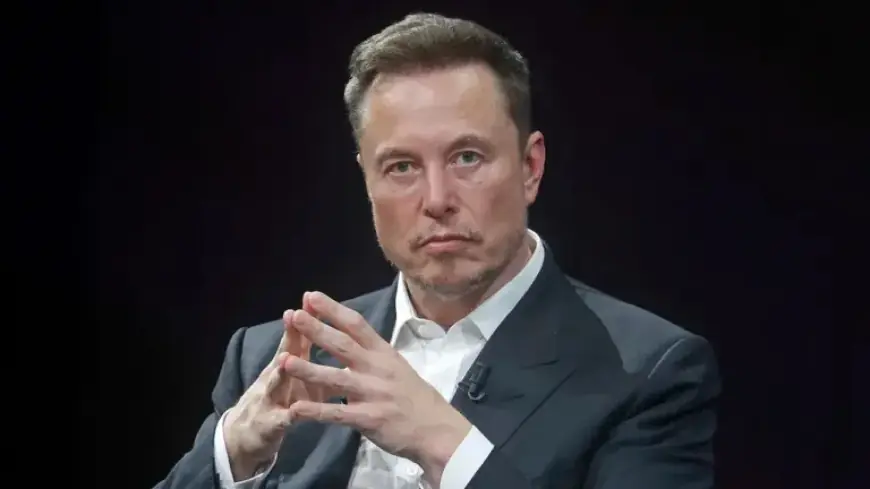
At 2:30 a.m. Wednesday, X owner Elon Musk said the change would be delayed for review. He reacted after a user claiming to live in France reported a potential income decline.
How payouts can be exploited
The proposed policy targets foreign gaming of monetization. Bot farms can flood posts with impressions and shares to boost creators’ payouts.
Wilkins and writers cited an example of a Russian bot farm providing 20,000 impressions. That artificial traffic can inflate an account’s earnings regardless of the creator’s intent.
Technical limits and past steps
X previously began showing account country origins. The platform noted this step is easily circumvented with VPNs. The limitations highlight the difficulty of policing online influence operations.
Policy implications and calls for investigation
Observers urged a deeper probe into how much political content is amplified by foreign bots. The goal should be to identify foreign actors pushing divisive narratives.
In an opinion for Filmogaz.com, David Marcus challenges foreign opponents who exploit X payouts to wage information warfare. He argued industry fixes may not suffice and government investigation could be necessary.
Marcus recommended targeting the foreign foes conducting what he called a form of cyberwarfare. He stressed enforcement should aim at those outside the United States.
Policy makers and platform leaders face a balance. They must protect free expression while curbing foreign-funded influence that warps domestic debate.
The debate also reached political leaders. The piece urged President Trump to prioritize defenses for the information ecosystem. The argument concluded that protecting online discourse is central to national security.