

























COVID-19 Variant ‘Cicada’ BA.3.2: What You Need to Know

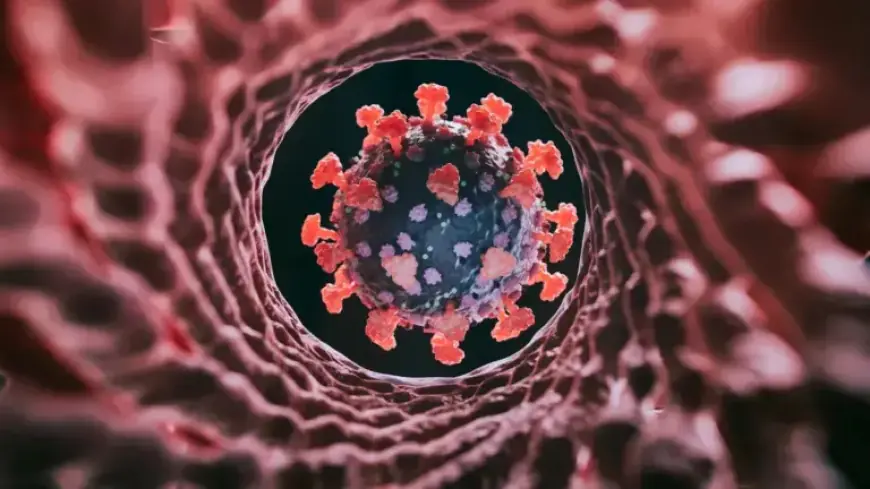
Health agencies are tracking a highly mutated COVID-19 lineage called BA.3.2, commonly nicknamed Cicada. The Centers for Disease Control and Prevention highlighted the variant in a March 19 report. The World Health Organization added it to its monitoring list on Feb. 23.
Origins and genetic profile
BA.3.2 was first recorded worldwide in November 2024 in South Africa. The lineage began rising in September 2025. A traveler linked to a U.S. detection appeared in June 2025, and a U.S. patient was diagnosed in January.
Researchers describe BA.3.2 as highly mutated. It carries roughly 70 to 75 mutations. Those differences separate it from the JN.1 lineage.
Where BA.3.2 has been found
The CDC reported BA.3.2 in wastewater from 132 sites across at least 25 states as of Feb. 11. The states include California, Florida, New York, Texas and others. The variant has also been detected in traveler nose swabs.
Global detections have been recorded in more than 20 countries. Germany and several Northern European countries reported as many as 30% of sequences being BA.3.2 in January. WasteWaterSCAN data showed BA.3.2 in 3.7% of sampled wastewater on March 14.
Current dominant strains in wastewater
- XFG accounted for about 53% of samples.
- LF.7 made up roughly 10.3% of samples.
- BA.3.2 appeared at a much lower share in that snapshot.
Symptoms and clinical picture
Symptoms linked to Cicada mirror other COVID-19 infections. Common signs include nasal congestion, headache, fatigue and sore throat. Loss of smell or taste and cough also occur.
Clinicians have noted reports of pronounced throat pain with some recent variants. There is no clear evidence BA.3.2 causes more severe illness than current strains.
Guidance if you test positive
Health experts urge testing when symptomatic. Stay home until symptoms improve and test results turn negative when possible. If isolation is not feasible, wearing a well-fitting N95 mask is recommended.
Vaccines and boosters may be less effective at preventing infection from Cicada. They still protect against severe disease and death. Public health advice includes improving ventilation, keeping up with vaccinations, and following prescribed treatments.
What scientists are watching
Officials say monitoring BA.3.2 helps assess immune escape potential. More data is needed to evaluate vaccine effectiveness against this lineage. Researchers caution that low vaccination and minimal public health measures increase vulnerability to new surges.
This report was compiled by Filmogaz.com from public health agency updates and surveillance data.