






















Norfolk Councils to Be Replaced by Three New Entities

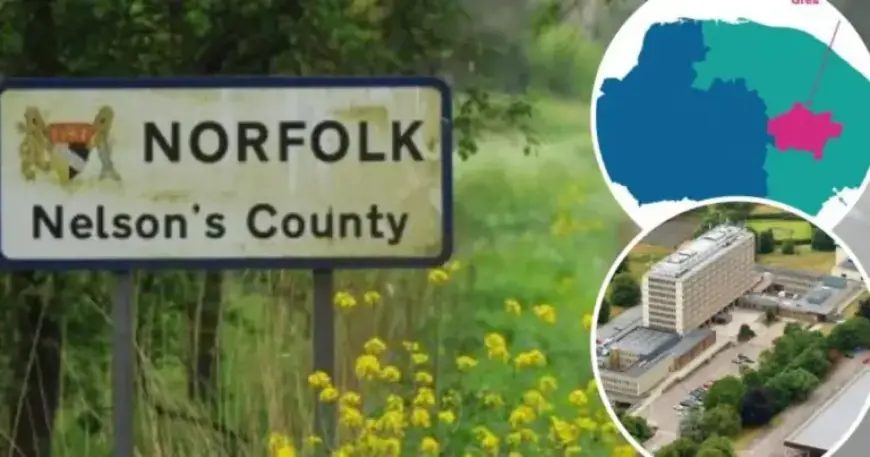
The government has approved plans to replace Norfolk’s current local authorities with three new unitary councils. This is the biggest local government reorganisation in the county for more than 50 years.
Which councils will be abolished
Eight existing councils will be dissolved under the plan. They include Norfolk County Council and seven district, borough and city councils.
- Norfolk County Council
- Norwich City Council
- South Norfolk Council
- Broadland District Council
- Breckland District Council
- North Norfolk Council
- Great Yarmouth Borough Council
- West Norfolk Borough Council
What a unitary authority will change
The new bodies will be unitary authorities. They will deliver all local services in their areas.
That differs from the current two-tier approach. County Hall currently handles roads, adult social care and children’s services. District, borough and city councils cover recycling, environmental health and planning.
Proposals and geography
Six councils backed a three-council model under the “Future Norfolk” proposals. Supporters included Norwich, Broadland, Breckland, North Norfolk, Great Yarmouth and West Norfolk.
The Future Norfolk plan proposed a Greater Norwich authority on expanded boundaries. Parts of South Norfolk and Broadland would join that new Greater Norwich area.
The proposals also set out eastern and western councils. Each would include a mix of market towns and coastal communities.
Towns in the eastern area
- Great Yarmouth
- Wymondham
- Cromer
- Sheringham
- Fakenham
- Wells-next-the-Sea
Towns in the western area
- King’s Lynn
- Dereham
- Swaffham
- Thetford
- Downham Market
- Hunstanton
- Watton
Local political reactions
Norwich’s Labour leader said the decision recognises the city’s regional role. He described it as a rare chance to modernise local services.
The deputy leader of West Norfolk welcomed the change. He said the move will bring decision-making closer to communities.
Conservative leaders reacted with caution and anger. The South Norfolk leader called the decision deeply disappointing and questioned its practicality and finances.
The Conservative leader of the county said ministers had briefed her. She urged clarity on the government’s rationale and called for full funding for reorganisation costs.
The Labour group leader at County Hall praised the decision. He called it a once-in-a-generation opportunity to improve access and value for residents.
Next steps and timetable
The government said formal arrangements must be drawn up. Details will include councillor numbers and governance arrangements.
Parliamentary approval is required and is expected to take six to nine months. Elections for the new unitary councils are scheduled for May 2027.
Shadow authorities will be established before the new councils formally replace the existing eight. These bodies will plan transfers of staff, assets and services.
Council tax harmonisation and service transitions will be part of those plans. The government aims for the new authorities to begin on April 1, 2028.
Filmogaz.com will continue to follow developments as the Norfolk councils move towards the creation of three new entities. Further reporting will track implementation and local responses.