























ICE Agents Deployed to Airports: Are Polling Stations Next?

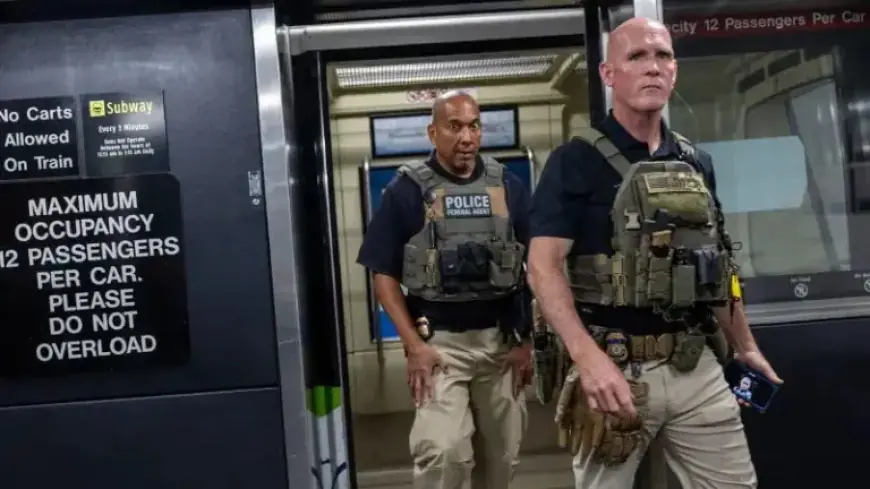
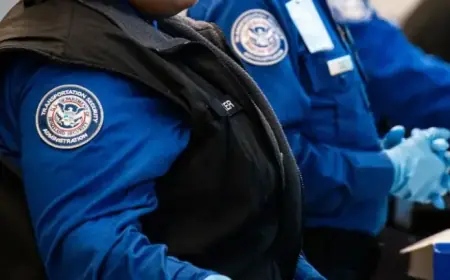
The White House ordered ICE agents to be deployed to airports this weekend. The move aimed to ease long security lines at major hubs.
Calls from allies and alarm from opponents
Steve Bannon urged the president to treat the airport deployment as a rehearsal for the 2026 midterms. He suggested placing ICE agents near polling places in future elections.
His remarks reignited fears among Democrats and election officials about federal enforcement at polls. Many worry this could intimidate voters, especially in immigrant communities.
Reactions from state leaders
Maryland Governor Wes Moore told Filmogaz.com he sees the deployments as part of a broader plan. He warned the use of military and federal law enforcement could affect future elections.
Arizona Secretary of State Adrian Fontes dismissed Bannon’s comments until an official plan appears. He noted Arizona Republicans once proposed placing federal agents at voting sites in 2026.
Legal limits and official assurances
Federal law prohibits deploying “troops or armed men” to polling places, except to repel armed enemies. Election administration remains a state responsibility.
Heather Honey, a DHS election official, told state election directors the administration would not send ICE agents to polling locations this year. Democratic secretaries of state later requested that pledge in writing.
White House and congressional responses
White House press secretary Karoline Leavitt called the idea hypothetical. She also said she could not guarantee an ICE agent would not be near a polling site in November.
Senator Markwayne Mullin, recently sworn in and linked to DHS oversight, did not rule out deployments if a specific threat emerged. He said federal officers would act only when a defined threat exists.
Election officials prepare
State election offices and voting rights groups are making contingency plans. They are preparing legal challenges and coordinating with local police.
Officials are training poll workers to defuse tense encounters. These steps aim to protect voters and keep polling places safe.
New state laws
New Mexico enacted a law this month banning armed federal officers from polling sites. The law also bars such officers within 50 feet of ballot boxes during early voting.
Maine Secretary of State Shenna Bellows told Filmogaz.com her office is preparing for worst-case scenarios. She said federal, constitutional, and state law support protecting voters.
Public opinion and broader efforts
An NBC News poll found 38 percent of registered voters view ICE positively. Fifty-six percent view the agency negatively.
Advocates warn rhetoric about ICE at the polls may suppress turnout. They point to recent federal operations in cities that detained both citizens and undocumented migrants.
Federal election oversight moves
The administration is pushing for more federal control over elections ahead of 2026. Some allies want a national emergency declaration tied to voting oversight.
The Justice Department is suing more than two dozen states for unredacted voter files. Officials claim those lists contain hundreds of thousands of improper registrations.
Legal experts and voting rights advocates weigh in
Wendy Weiser of the Brennan Center said courts would likely block unlawful interference at polling places. She urged calm while acknowledging legitimate concerns.
Danielle Lang of the Campaign Legal Center warned that talk of ICE at polls could still frighten voters. She urged clear communication that laws governing voting have not changed.