

























Retire 7 Years Early: Guide to Meeting Your Pension Timeline

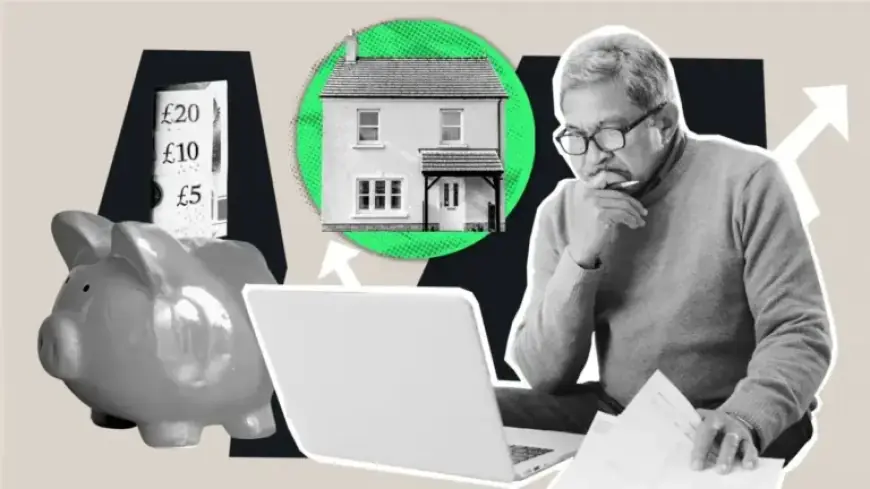
A 56-year-old reader plans to stop work at 60. He asked Filmogaz.com for guidance on funding the gap until his state pension starts at 67.
What the reader has
He will receive a local authority defined benefit pension of £9,000 a year. It also pays a £21,000 lump sum at retirement.
He holds three SIPPs totalling £90,000. He also has £63,000 saved in ISAs.
Planned actions and goals
He transfers money from ISAs into SIPPs each year to gain tax relief. He plans equity release at age 60 from a mortgage-free house worth about £150,000.
He wants to use released equity with his local authority pension. The aim is to cover costs until the state pension begins at 67.
Advice from financial professionals
Alina Khan at Filmogaz.com consulted Ruairi Dennehy, financial planner at Dennehy Wealth. Dennehy emphasised reviewing investment risk as retirement approaches.
He noted some SIPP holdings sit in money market funds. The reader also uses laddering to stagger maturities and access funds over time.
Risk management and the overnight test
Dennehy recommended an “overnight test” for the portfolio. Imagine holdings were all in cash tomorrow and decide which to repurchase.
This helps identify positions to keep and those to sell. It is a practical way to measure conviction in current investments.
Tax rules and transfers between ISAs and SIPPs
Basic-rate taxpayers receive a 20 percent top-up on SIPP contributions. Higher-rate taxpayers can reclaim extra relief via self-assessment.
When drawing from a SIPP, income tax applies. Up to 25 percent of the pension pot, capped at £268,275, can be taken tax-free as a lump sum.
ISAs offer no contribution relief but provide tax-free withdrawals and gains. Dennehy suggested keeping ISA funds unless higher-rate tax benefits outweigh this.
Income projections and living standards
SIPPs and ISAs combined total £153,000. Dennehy estimated a potential natural income of about £6,120 per year, equal to £510 per month.
Natural income means living off dividends and interest without selling capital. This approach requires careful investment choice.
Pension UK’s Retirement Living Standards say a single person needs about £31,300 a year for a moderate standard. A comfortable standard is about £43,900 annually.
Even with the £9,000 pension, a significant shortfall remains versus the moderate guideline.
Equity release considerations
Equity release lets people over 55 convert part of their home value into cash. Lifetime mortgages are the usual route, repaid on death or moving into care.
Given age and reasonably good health, Dennehy estimated possible release of 20–30 percent. On a £150,000 property, that equals roughly £30,000–£45,000.
He advised deciding how to hold any lump sum. An easy-access cash ISA is suitable for short-term spending, such as travel.
Practical steps before retiring
- Review the risk profile of SIPP and ISA investments.
- Apply the overnight test to identify unwanted holdings.
- Check tax implications of SIPP contributions and withdrawals.
- Plan how much equity release to take and where to hold it.
- Keep nomination forms current for pension death benefits.
For those looking to accelerate retirement, consider resources on how to retire 7 years early. Map your pension timeline carefully to avoid surprise tax or income gaps.