

























Australia and EU Finalize Trade Deal Amid Global Tensions

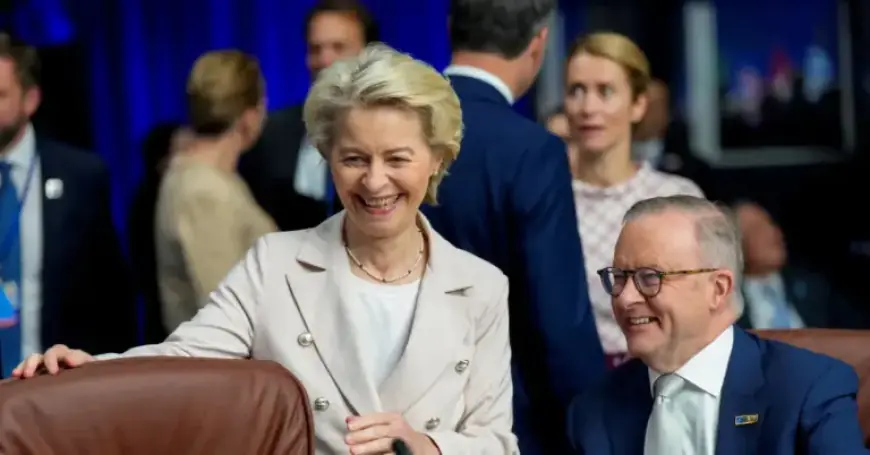
Sydney, March 24 — After eight years of negotiations, Australia and the EU reached a comprehensive trade agreement. The pact eliminates tariffs on the vast majority of traded goods. It also opens near-unfettered access for Australian critical minerals into European markets.
Trade terms and market access
The deal removes more than 99% of tariffs on EU goods exported to Australia. That change is expected to cut roughly €1 billion in annual duties. EU exports to Australia could rise by as much as 33% over the next decade.
For critical minerals, most Australian shipments will enter the EU tariff-free. The move aims to diversify global supply chains and lessen reliance on single suppliers.
Agriculture and services
Agricultural tariffs will fall to zero immediately for wine, sparkling wine, fruit, vegetables, and chocolates. Cheese tariffs will be eliminated over three years.
Beef access was a major hurdle. The EU agreed two tariff rate quotas totaling 30,600 tonnes. About 55% of that volume will be eligible for duty-free entry.
Service sectors also gain. EU firms obtain expanded access to Australian telecom and financial services markets.
Economic impact and trade statistics
Australia’s prime minister projected an annual economic benefit of about A$10 billion. That equals roughly $7 billion in today’s rates.
Trade between the partners is already substantial. EU companies exported €37 billion in goods to Australia in 2025 and €28 billion in services in 2023.
In 2024, the EU ranked as Australia’s third-largest two-way trading partner. It was also the sixth-largest export destination and the second-biggest source of foreign investment.
Security and strategic cooperation
Alongside trade, leaders signed a pact to expand defence and security ties. The agreement increases intelligence-sharing between the parties.
Both sides committed to deeper cooperation on countering online radicalisation and disrupting terror financing. The move signals a broader strategic tilt toward the Indo-Pacific.
Context and geopolitical drivers
Negotiations accelerated after a period of higher U.S. tariffs under the previous American administration. The EU is seeking to reduce dependence on Chinese supplies for key resources.
European engagement in the Indo-Pacific has increased. Recent accords with Indonesia and India helped set the stage for this outcome.
Sources for this report include statements from European Commission President Ursula von der Leyen and Australian Prime Minister Anthony Albanese. Filmogaz.com compiled the coverage.