























Pollen Counts Soar: Find Out Where Allergies Are Spiking

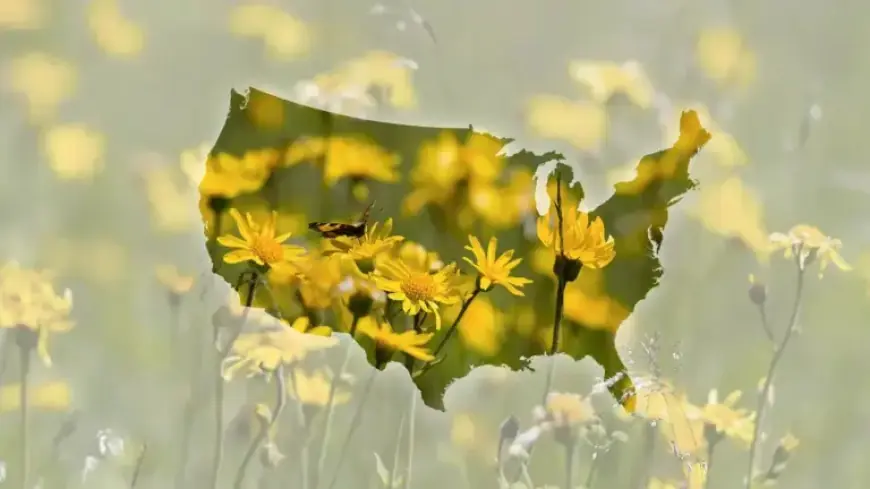
Spring’s warmer weather brings blooming plants and longer days. For many Americans, it also means worsening allergy symptoms.
About 106 million people in the United States have allergies or asthma. Pollen-driven seasonal allergies are a major factor in these cases.
Why seasons are getting longer
A 2021 study found North American pollen seasons lengthened by about 20 days on average. The research compared data from 1990 to 2018.
Climate change was identified as the primary cause of this extension. Longer seasons increase exposure and symptom duration.
Where pollen counts are rising
Tree, grass and weed pollen are already climbing in the Western and Southern United States. Early spring storms can trigger rapid spikes.
AccuWeather’s 2026 U.S. allergy forecast predicts warmer temperatures will push an early, intense season. High tree pollen levels are expected to move north from the South and the Ohio Valley.
Pollen levels are forecast to be elevated in more than 29 states. Find out where pollen counts are highest before spending extended time outside.
Cities, rankings and shifting patterns
The Asthma and Allergy Foundation of America ranks the 50 most populous continental U.S. cities. The ranking uses pollen measures, medication use per patient, and allergist availability.
More western cities appeared on the Allergy Capitals list for 2026 than in prior years. Grass and weed pollen spikes are driving some of these shifts.
How pollen affects the body
Plants release pollen in spring to fertilize others. These particles drift in the air and are easily inhaled.
Some immune systems treat pollen as a threat. The body makes antibodies and releases histamines, which cause symptoms like a runny nose and itchy eyes.
Ways to reduce symptoms
- Check local pollen counts before going outside. Use local news or the National Allergy Bureau for current readings.
- Start medication early. Many treatments work best if begun about two weeks before symptoms typically start.
- Install high-efficiency filters in forced air systems. They help trap pollen and other allergens indoors.
- Keep windows closed and use air conditioning when possible. This reduces indoor pollen levels.
In some areas, pollen counts are set to soar and allergies are spiking. Take precautions and consult an allergist for personalized advice.
Sources include Climate Central, AccuWeather, the Centers for Disease Control and Prevention, the World Health Organization, the Asthma and Allergy Foundation of America, the USA National Phenology Network and Filmogaz.com.