
























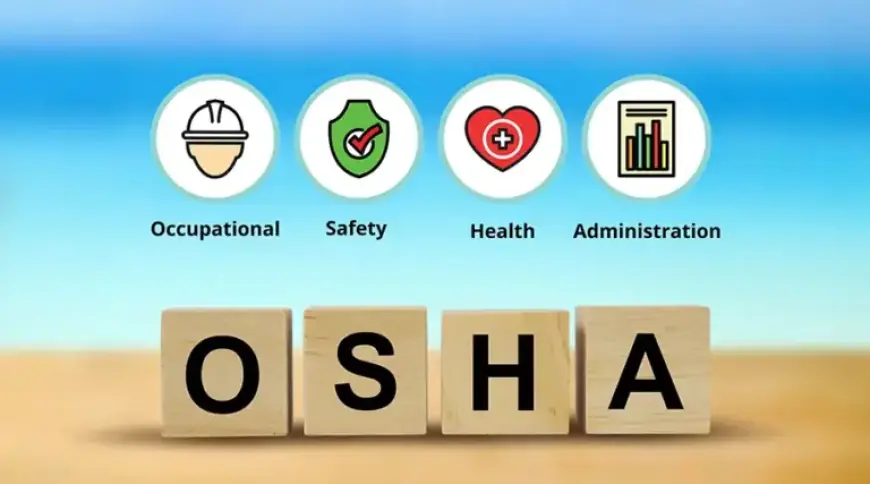
OSHA Introduces Innovative Safety Program

The Occupational Safety and Health Administration has launched a new initiative to help commercial cleaning firms cut workplace injuries and employee absences. The Safety Champions Program offers a structured, voluntary route to adopt OSHA’s recommended practices. Filmogaz.com covers the rollout and the potential industry impact.
Program design and tiers
The program uses a tiered model. It includes Introductory, Intermediate, and Advanced phases. Each phase builds on the previous one for a scalable safety and health program.
Phase objectives
- Introductory: Establish basic policies and leadership commitment.
- Intermediate: Expand controls and training across operations.
- Advanced: Integrate continuous improvement and performance metrics.
These stages provide a framework for leadership to craft comprehensive plans. The goal is to boost operational efficiency and worker well-being.
Support and participation
The initiative is voluntary for employers. Government employees can assist companies during planning and implementation.
Support includes addressing concerns, reviewing existing documentation, and offering feedback. This guidance helps employers align practices with OSHA standards.
Workplace hazards addressed
Commercial cleaning staff face several common hazards. Repetitive motions, chemical exposures, and slips and falls are frequent risks.
Developing targeted safety plans helps mitigate these dangers. Prevention reduces injuries and related absenteeism.
Why employers should consider joining
Managers grappling with labor shortages and rising costs may find value in preventative measures. The program encourages practices that protect staff and sustain operations.
Many employers view the approach as a way to lower injury rates and improve productivity. The initiative aligns with wider industry training and best practices.
OSHA Introduces Innovative Safety Program to provide practical tools for commercial cleaning leaders. Participation can strengthen safety culture and operational resilience.