

























Russian Spacecraft Overcomes Antenna Issue for Manual Docking with ISS

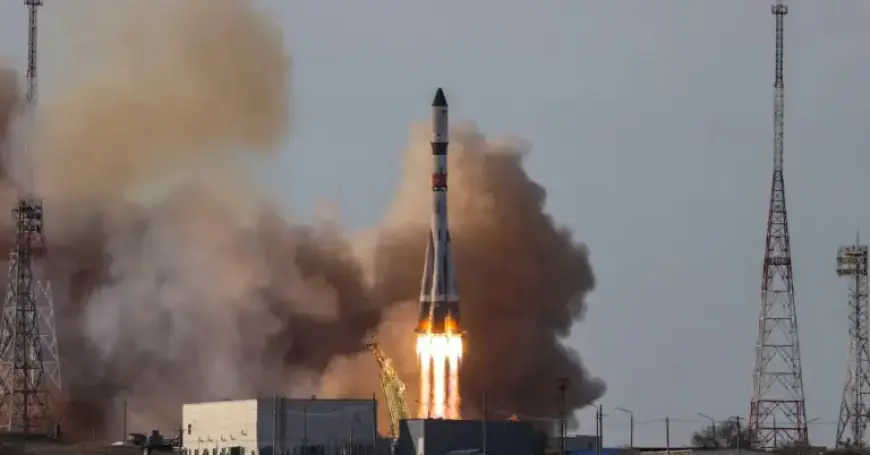
An unmanned Progress MS-33 resupply ship will be manually docked to the International Space Station. Roscosmos announced the move after detecting a fault in an automatic rendezvous antenna.
Launch and anomaly
The Progress MS-33 launched on a Soyuz-2.1a rocket from Baikonur, Kazakhstan. The launch took place on March 23.
Engineers identified a problem with one of the KURS automated rendezvous antennas. That system guides automated approaches to the station.
Docking plan and crew
Commander Sergei Kud-Sverchkov will perform a manual approach and docking. Roscosmos scheduled the docking for Tuesday at about 13:35 GMT.
- Sergei Kud-Sverchkov (commander)
- Sergei Mikayev
- Andrei Fedyaev
- Christopher Williams
- Jessica Meir
- Jack Hathaway
- Sophie Adenot
Cargo and station status
The vessel carries about 2.5 tonnes of supplies. Cargo includes food, water, fuel, oxygen and other crew provisions.
NASA reported that all other spacecraft systems are operating normally. Roscosmos will continue troubleshooting the antenna issue.
Training and safety procedures
Oleg Kononenko noted cosmonauts regularly train for manual approaches. Manual docking is a standard safety procedure.
Russian Spacecraft Overcomes Antenna Issue for Manual Docking with ISS describes the shift from automation to crew control. The crew and ground teams will follow established protocols.