

























Gold Prices Plummet in Steepest Weekly Decline Since 1983

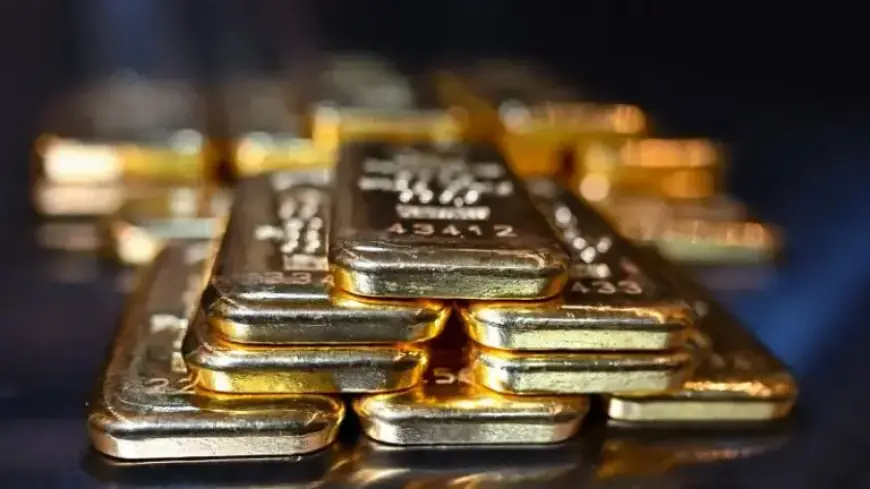
The war with Iran has disrupted oil shipments and damaged energy infrastructure. Yet the gold market took a sharp hit this week, falling about 11 percent. That marked the steepest weekly decline since 1983, and the metal is off more than 14 percent since the conflict began.
Market drivers
Traders expect the Federal Reserve to keep interest rates steady this year. The Fed paused for a second consecutive policy meeting, and markets now price few, if any, further rate cuts.
This week gold prices plummet amid shifting rate and dollar dynamics. Higher yields make bonds more attractive and raise the opportunity cost of holding gold.
Policy and central bank moves
Central banks worldwide are reassessing policy in response to energy-driven inflation risks. Some are holding rates, while others, like the Reserve Bank of Australia, have hiked.
CME FedWatch shows traders pricing little chance of additional Fed easing this year. These policy stances help push bond yields higher and reduce gold’s relative appeal.
Dollar strength and inflation concerns
The U.S. dollar has rebounded this month. The dollar index is up nearly 2 percent since the war began.
A stronger dollar makes gold more expensive for overseas buyers. Inflation worries and safe-haven flows have both supported the currency recently.
Recent rally, retail trading, and momentum
Gold had a massive rally through the past two years, with a 64 percent gain in 2025. That performance was its best year since 1979.
The metal topped $5,000 per troy ounce in January before momentum faded. Retail participation helped drive the surge, and some recent trading resembled meme-stock behavior.
Investors have been selling to raise cash or rebalance portfolios. Gold slipped below $4,500 on Friday, erasing gains from the prior two months.
Outlook and strategist views
Many strategists remain cautiously optimistic despite the pullback. Ed Yardeni still projects $6,000 per ounce by year-end, though he may lower that to $5,000 if trends persist.
Fundstrat strategist Hardika Singh said higher yields have played a major role in the recent weakness. Market participants will watch the dollar, central-bank moves, and geopolitical developments for direction.
- Weekly drop: about 11 percent, largest since 1983.
- Loss since war began: more than 14 percent.
- 2025 gain: roughly 64 percent, best year since 1979.
- Peak in January: above $5,000 per troy ounce.
- Recent low: below $4,500 per troy ounce.
Filmogaz.com will continue to monitor market developments and report further updates. Investors should track central-bank guidance, dollar moves, and energy-related risks.