Essential Tips on Batteries and Warranties for Buying a Used EV

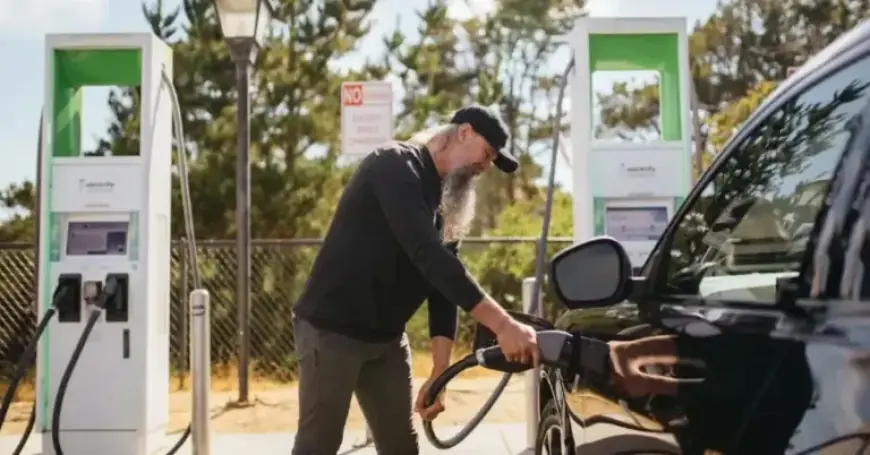
Rising gas prices and higher new-car costs are steering many shoppers toward low-mile, off-lease EVs. First-time buyers still have questions about longevity, repairs, and charging. Dealers do not always answer these concerns. Misinformation in some media outlets has added to buyer unease.
Battery longevity in real-world use
Real-world examples show modern EV batteries can last far longer than critics expect. A 2022 Ford Mustang Mach-E driven more than 250,000 miles in three years retained over 90% of its original battery capacity. Mustang Mach-E Chief Product Engineer Matthew Gabrielli verified those miles.
Other long-lived examples include a Hyundai IONIQ 5 that reached 360,000 miles with about 87% capacity. Hyundai later bought that car back for teardown and research. There are also Teslas reported near 400,000 miles and an 18-year-old EV still holding roughly 80% battery life.
Factory warranties and extended protection
Most new EVs sold in the U.S. include an 8-year, 100,000-mile warranty covering the battery and charging system. Some brands offer longer terms. Hyundai, Genesis, Kia, Toyota, Lexus, and Subaru provide 10-year battery warranties.
Buyers of older vehicles can add extra coverage. Xcelerate Auto offers XCare plans that cover full HV battery replacement for failures and excess degradation. Brent Seavey, VP of business development at Xcelerate Auto, notes these policies can replace batteries and cover drive unit issues.
Those extended plans must be purchased before the car exceeds seven model years old and before it passes 100,000 miles. Currently that threshold applies to 2019 models or newer. XCare financing options may include 12- to 18-month terms at 0% interest.
Charging realities and costs
Charging involves new terminology and connector standards. NACS, CCS, and CHAdeMO require understanding and sometimes adapters. A 350 kW charger will not always deliver maximum speed for every vehicle.
Charging apps help. Chargeway, founded by Matt Teske, shows connector compatibility, state of charge, charger availability, and optimal charging strategy. In October the app began displaying electric fuel pricing for thousands of stations.
Costs vary by home charging, Level 2 public chargers, and DC fast chargers from providers such as BP Pulse and Electrify America. On average, driving an EV costs about $0.05 per mile, versus roughly $0.10–$0.15 per mile for a typical gas car.
Practical advice when buying
- When buying a used EV, check current battery capacity and any remaining battery warranty.
- Ask the dealer about factory warranty terms and possible extended warranty options.
- Use a charging app to confirm connector compatibility and estimate charging costs for your routes.
- Consider third-party coverage if the vehicle is approaching seven model years or 100,000 miles.
Used EV lease returns often offer strong value. They usually have substantial battery life and warranty protection. Do your homework, use trusted tools, and share clear answers with friends and neighbors.
For more coverage and practical guides on batteries, warranties, and buying a used EV, visit Filmogaz.com.