Iran Critiques US by Invoking Vietnam War History

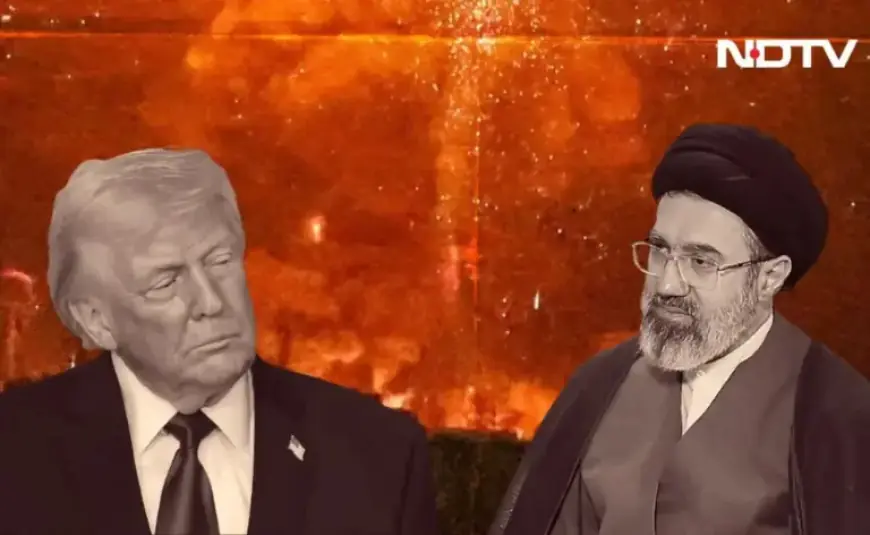
New Delhi — Iran’s foreign minister likened recent U.S. public messaging on the conflict to the optimistic briefings from the Vietnam War era. Seyed Abbas Araghchi posted the comparison on his official X account on March 20, 2026. He argued Washington was repeating a pattern of upbeat claims that diverged from battlefield realities.
Historical analogy and the “Five O’Clock Follies”
Araghchi invoked the figure of General William Westmoreland and the wartime practice of flying commanders home to reassure the public. He referenced the Saigon daily press sessions, often called the “Five O’Clock Follies,” which critics said portrayed the war in unrealistically positive terms. Those briefings contributed to a credibility gap between official statements and events on the ground.
Why the comparison matters
By drawing this parallel, Araghchi aimed to cast doubt on current U.S. statements about the campaign. He suggested history shows that optimistic rhetoric can mask a different reality. Observers took note, with many sharing the post under the phrase Iran Critiques US by Invoking Vietnam War History.
Claims and counterclaims in the present conflict
The remarks arrived as the U.S.-Israel confrontation with Iran neared its three-week mark. Tehran contrasted recent U.S. assertions with incidents that, it said, undermined those claims.
Araghchi cited several examples. He noted that U.S. officials had declared Iran’s air defences neutralised, yet an F-35 was reportedly struck. He also said American statements pronounced Iran’s navy defeated, while the carrier USS Gerald Ford turned back and the USS Abraham Lincoln moved further off the scene.
U.S. briefings and leadership statements
In recent days, Washington held repeated press briefings. Defence Secretary Pete Hegseth led some sessions, joined by Chairman of the Joint Chiefs of Staff Dan Caine. President Donald Trump also issued strong assessments, saying Iran had been “decimated” in his public remarks.
Hegseth addressed questions about the conflict’s duration. He rejected suggestions it would become protracted, saying this campaign, called “Epic Fury,” was narrowly focused. He contrasted it with past wars and evoked his own military service in Iraq and Afghanistan while criticising previous presidents for harming U.S. credibility.
Implications for public trust and media scrutiny
Araghchi’s comparison highlights a political battle over narrative and perception. The Vietnam-era reference raises familiar concerns about official transparency. Both governments and journalists now face renewed scrutiny over how progress and setbacks are reported.