Decades of U.S. Policy Undermined Environmental Protection Long Before Trump

Environmental and health organizations have sued the Environmental Protection Agency. The suit challenges the Trump administration’s withdrawal of the 2009 endangerment finding.
What the endangerment finding was
The 2009 ruling said greenhouse gases threaten public health and welfare. It provided the legal basis for many federal climate regulations.
Under that finding, the EPA could set limits on carbon emissions. Those limits affected power plants, vehicles, and oil and gas operations.
The recent policy change and the lawsuit
The Trump administration revoked the endangerment finding in February. The EPA backed the move and touted it as a major deregulatory action.
The lawsuit, filed on Wednesday, argues the decision will endanger health and welfare. Plaintiffs include advocacy groups and environmental organizations.
Peter Zalzal, associate vice president for clean air strategies at the Environmental Defense Fund, warned of more pollution and avoidable deaths.
Experts on regulatory and health impacts
Brett Heinz, a Washington, D.C.-based policy researcher, told Filmogaz.com that removing the finding allows increased pollution. He said nearby communities will face higher air and water contamination.
Michael Kraft, professor emeritus at the University of Wisconsin-Green Bay, told Filmogaz.com the original finding enabled concrete regulatory steps. Those steps included emissions limits and tighter vehicle standards.
Historical patterns of U.S. policy
Policy choices across many administrations have shaped environmental outcomes. Observers say decades of U.S. policy undermined environmental protection long before Trump.
Below are notable presidential actions that influenced the environment.
Early 20th century and postwar expansion
- Theodore Roosevelt (1901–1909): Congress passed the Reclamation (Newlands) Act of 1902, prioritizing large infrastructure projects.
- Harry Truman (1945–1953): He promoted suburban growth and the interstate highway system planning.
- Dwight Eisenhower (1953–1961): Highway construction accelerated, and private car use became central to development.
Late 20th century
- Richard Nixon (1969–1974): He created the EPA in 1970 and signed major environmental laws, yet also backed fossil fuel expansion.
- Ronald Reagan (1981–1989): His appointees favored resource extraction, deregulation, and cuts to EPA enforcement budgets.
21st century and recent presidents
- George W. Bush (2001–2009): He rejected the Kyoto Protocol in 2001 and promoted voluntary, industry-led approaches.
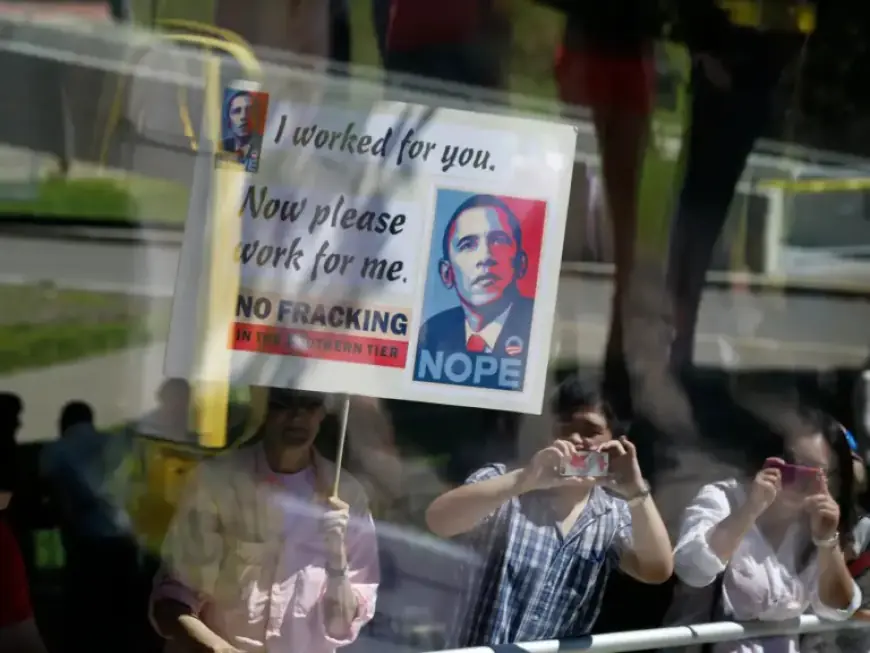
- Barack Obama (2009–2017): He issued the endangerment finding and key climate rules, yet oversaw a fracking boom.
- Joe Biden (2021–2024): He approved the Willow project in Alaska in 2023 and supported expanded LNG exports.
Specific projects and numbers
The Willow oil project in Alaska was approved in 2023. The Bureau of Land Management estimated it could emit 239 million to 280 million tonnes of greenhouse gases over its lifetime.
That project may continue for about 30 years. Biden also authorised new LNG terminals and long-term export licences.
Political dynamics and global effects
Scholars argue environmental policy failures are bipartisan. Ted Steinberg, a history professor, told Filmogaz.com that neoliberal economic priorities shaped both parties.
Chad Montrie, an environmental historian, said U.S. policy has often lagged behind its needs. He told Filmogaz.com the country was once a conservation leader.
International consequences
U.S. policy influences global standards and negotiations. Critics say U.S. pressure has encouraged continued fossil fuel use abroad.
Eurostat data show household electricity prices rose about 20 percent across the EU between 2021 and 2022. Observers linked energy market shifts to geopolitical and policy trends.
Delegates at a recent COP meeting in Brazil expressed concern. The conference ended without a clear roadmap to phase out fossil fuels.
Where things stand
The lawsuit aims to restore the legal basis for limiting greenhouse gases. Plaintiffs seek to block the administration’s deregulatory action.
Legal processes will determine whether the endangerment finding returns as enforceable policy. The case could affect federal climate rules for years.