Crimson Desert Review: Discover its Sandbox Brilliance Beyond the Main Story

Pearl Abyss launched Crimson Desert on March 19, 2026. The game arrived on PC, PlayStation 5, and Xbox Series X/S. Filmogaz.com reviewed the PC version with code from the publisher.
Scope and setting
Crimson Desert is an open-world fantasy action RPG set in Pywel. Players follow Kliff, leader of the Greymanes, as he rebuilds his band. The world mixes snow-capped mountains, red deserts, and floating islands.
The map is packed with activities. Examples include cattle rustling, mining, bounty hunting, and mech piloting. Other pursuits range from dye-making and interior design to sumo wrestling and card hustling.
Gameplay systems
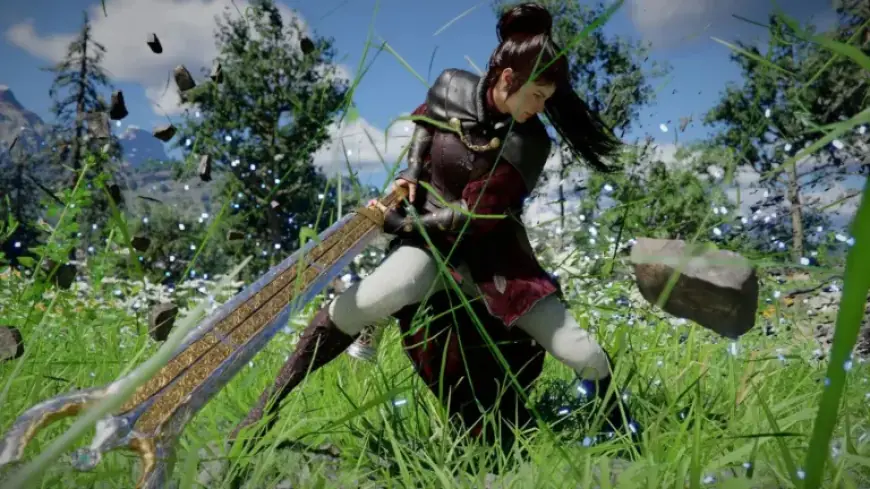
Combat favors large-scale encounters and crowd control. Grapples and wrestling moves add heavy-hitting spectacle. Players can topple structures and use the environment in creative ways.
Puzzle and traversal design borrow elements from Breath of the Wild and Tears of the Kingdom. The game includes sky islands and celestial teleporters. Dragon-riding and mech fights exist, but many arrive late in the campaign.
Progression and inventory
Some abilities unlock before resources exist to use them. That creates wasted upgrade points early on. Inventory space feels tight for crafting materials and ammo.
There is no persistent stash at the base. Players face frequent “inventory full” prompts. That contributes to repetitive management during long sessions.
Design strengths and flaws
The game often looks stunning. Wildlife and ambient activity make Pywel feel alive. Travelling through the world invites photography and discovery.
Yet many systems suffer from uneven polish. Boss difficulty spikes feel disconnected from normal combat. The camera can misbehave in tight fights. Platforming failures sometimes force long backtracks.
Mechanics and explanations
Several mechanics lack clear explanation. Players receive items without sufficient guidance on how to use them. New playable characters unlock, but do not always integrate well.
Endgame features, such as enemy-climbing and large set-piece encounters, appear roughly fifty hours in. That delay can frustrate players seeking those mechanics earlier.
Narrative and characters
The main plot follows Kliff as he reunites his mercenary company. Early events include a violent introductory attack and a near-death salvation by a local. Later scenes introduce cosmic kidnappings and arcane gifts.
Worldbuilding often requires consulting the in-game glossary. Story beats can appear and then vanish without follow-up. Many characters remain archetypal rather than fully fleshed out.
Kliff is stoic and pragmatic. His reactions rarely show wonder or curiosity. That limits emotional connection for some players.
Endgame and replayability
After many hours the game can become more rewarding. The reviewer reached over eighty hours and found renewed enjoyment. Random encounters and hidden oddities often outshine the main campaign.
For players interested in sandbox brilliance beyond the main story, Crimson Desert offers deep, varied content. The open world can feel like several games bundled into one.
Final assessment
Crimson Desert combines breathtaking set-pieces with uneven design. Visuals and emergent moments often thrill. Design inconsistencies and a thin narrative hold the experience back.
Filmogaz.com recommends the game to players who value vast sandbox content and can tolerate rough edges. It can be enthralling at its best, despite frequent frustrations.