Racine Residents Actively Engage in Personal Criminal Defense Efforts

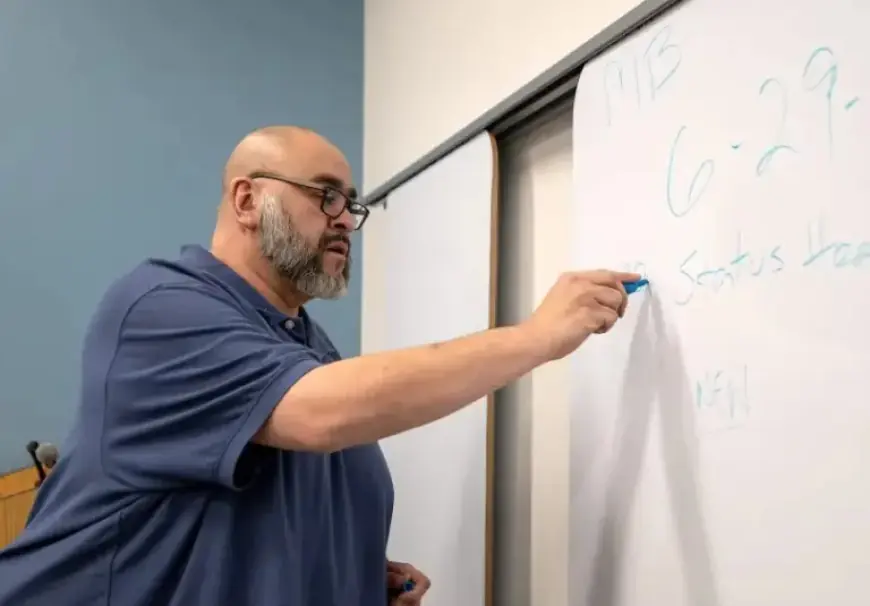
On a cold evening in Racine, volunteers gather inside the public library for a weekly meeting. The group practices participatory defense under the leadership of former incarcerated residents.
Bobby Ayala helps set the room and opens the meeting. Ayala is on parole after nearly 30 years behind bars on charges that included reckless homicide.
Community-run defense work
At each session, Ayala writes case numbers on a whiteboard and shares updates. Hub members say those numbers represent real people and families.
Racine Residents Actively Engage in Personal Criminal Defense Efforts by attending meetings, offering court support, and contributing to a bail fund. The hub serves Racine and Kenosha counties.
Roots and reach of the model
The participatory defense idea began with Silicon Valley De-Bug in the early 2000s. Organizers later formed the National Participatory Defense Network.
The network organizer Charisse Domingo says community knowledge matters. There are now more than 50 local participatory defense groups nationwide.
How the Racine hub operates
The group does not offer legal advice, leaders stress. Instead, the hub educates families and coordinates community advocacy.
Members run a crowdsourced bail fund to help people secure release while cases are pending. Core volunteers include a Presbyterian pastor, parents, and longtime residents.
Co-founder Carl Fields spent 16 years in prison. He now uses his experience to mentor others in the community.
Family experiences and outcomes
Humberto Delgado found the hub when his 18-year-old son faced a charge of theft with a dangerous weapon. Delgado had limited criminal justice experience.
The family initially hired a private attorney. The lawyer could not share case details until the son granted access.
Hub members advised the family to obtain client permission and suggested questions to ask the lawyer. That guidance helped the attorney advocate more effectively.
The hub also helped produce a video highlighting the teen’s skills and community ties. A Racine County judge later sentenced the teen to three months in jail followed by work release.
Legal context and concerns
Public defenders carry heavy caseloads, says John Gross, a University of Wisconsin-Madison law professor. Those attorneys often lack time for extended client education.
Participatory defense fills gaps by explaining processes like jail visitation and by holding lawyers accountable. Some lawyers remain cautious, due to the lack of attorney-client privilege.
Tactics taught at some hubs include copying supervisors on emails to prompt responses. Legal scholars warn about longstanding paternalism in criminal defense.
Brooklyn Law School professor Cynthia Godsoe notes power imbalances between defendants and their attorneys. She argues participatory defense helps balance that dynamic.
Wisconsin State Public Defender Jennifer Bias calls the approach an asset. Hub members often attend court and collect letters from employers and pastors.
Local volunteers and courtroom presence
Gwendolyn Shaw-Scott learned of the hub when her son struggled to post bail. She now attends Monday evening meetings regularly.
On most weekdays, Shaw-Scott watches courthouse proceedings nearby. She directs people to the correct courtroom and offers solidarity in the gallery.
She also highlights racial disparities she sees in courtrooms. Often, the defendant is one of the few people of color present.
Looking ahead
The Racine hub plans small rituals to mark case milestones. For example, members will write a defendant’s name on the whiteboard and let them erase it.
Volunteers say their work aims to humanize those facing charges. They hope community-led efforts will continue to shape local outcomes.