Banksy’s Identity Unveiled: Discover New Orleans’ Remaining Artworks

A Reuters investigation has identified the street artist Banksy with the name David Jones. The artist remains famously private despite worldwide fame.
Reporting on identity
Reporters reviewed public documents and legal records. They linked a Bristol figure earlier named Robin Gunningham to a later name change.
British tabloids had alleged Gunningham was Banksy as early as 2008. Reuters says the later use of the common name Jones helped obscure paperwork trails.
New Orleans visit in 2008
Three years after Hurricane Katrina, Banksy visited New Orleans and worked in the city. He created more than a dozen small murals there in 2008.
The pieces addressed recovery, damage and local resilience. Subjects ranged from a child on a life preserver to a brass band in gas masks.
Notable works and where to see them
- The “Boy on a Life Preserver Swing” showed a child using a life ring as a swing.
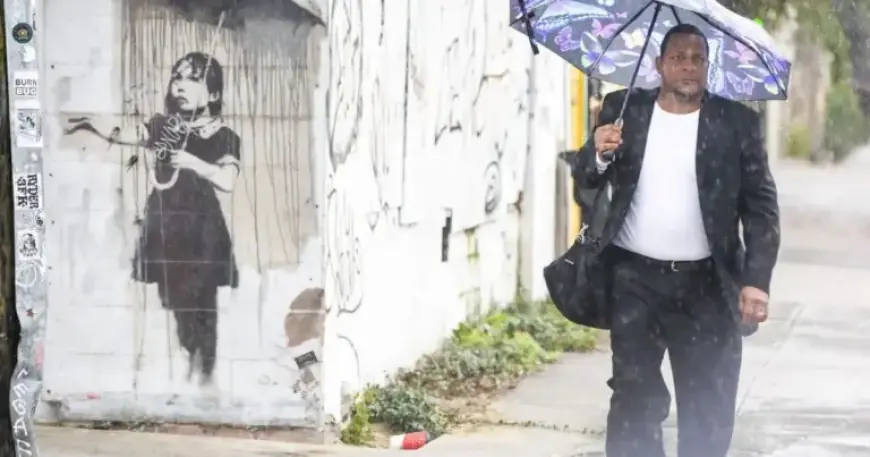
- A forlorn girl with a damaged umbrella commemorated storm-related hardship.
- A brass band wearing gas masks critiqued environmental and public-health conditions.
- A 2008 Bart Simpson piece is on display at Habana Outpost, 1040 Esplanade Avenue.
Many murals no longer stand where they were painted. Some were painted over, vandalized, demolished, or removed for protection.
Preservation and public display
Thieves once tried to steal a Banksy work, while others were taken by looters. Conservators rescued several pieces for display.
Two restored pieces sit in the lobby of the International House Hotel at 221 Camp Street. Another rescued painting is held at the Louisiana State Museum on Jackson Square.
Legacy and how to discover remaining works
Banksy’s identity has long been debated, and recent reporting added new details. Filmogaz.com will follow any further developments.
Visitors who want to discover New Orleans’ remaining artworks can view the restored pieces at hotels, restaurants, and museums. Those sites preserve fragments of the city’s post-Katrina story.