North Rail Yards Townsville Triggers $35M Cleanup and Opens Way For Housing

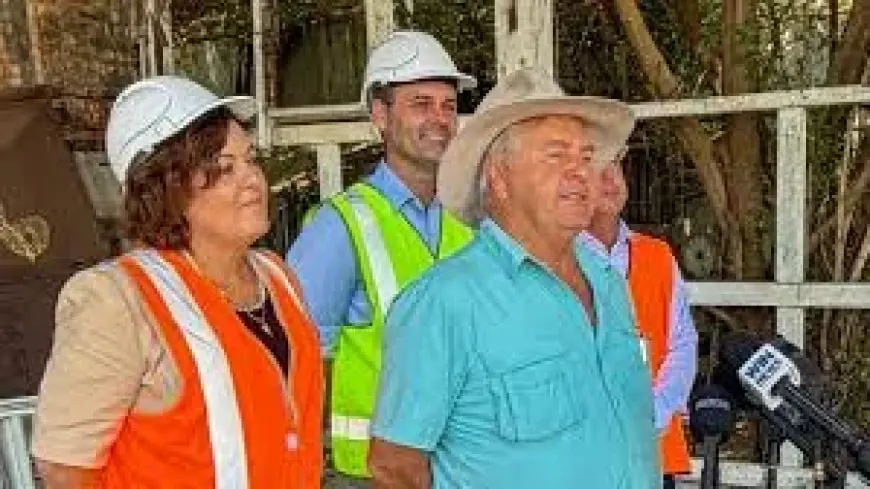
The Crisafulli Government has finalised a $35 million agreement to stabilise heritage buildings and decontaminate the North Rail Yards in townsville, setting the 4. 5-hectare, 145-year-old precinct on a path toward high-density housing, public space and commercial development.
What The $35 Million Will Fund
The funding is intended to cover remediation and heritage stabilisation works that project partners say are the major financial hurdles preventing redevelopment. The agreement involves the state government, Townsville City Council and local developer BM Webb and is designed to make the site “development-ready. ” The investment specifically targets restoration of heritage buildings and decontamination of the precinct.
Townsville North Rail Yards: Location, History And Scope
The North Rail Yards precinct dates back to the 1880s and served as a Queensland Rail maintenance depot before its closure in 1990. The 4. 5-hectare site sits within the Townsville Waterfront Priority Development Area and is adjacent to the Queensland Country Bank Stadium. Over time the yards had become derelict; the current plan is framed as both a preservation of the site’s history and an opportunity for future residential and commercial use.
Political Backing, Housing Rationale And Next Steps
Treasurer David Janetzki described the project as “a city-making project” that will help transform the North Queensland city and support future growth. He said the funding addresses the most significant financial hurdle of the project by covering remediation and heritage stabilisation works, making the site development-ready.
Members of the state and local government framed the investment as part of a broader housing response. Janetzki pointed to expectations that the city’s population will grow by at least 40, 000 people in the next 15 years and argued that vibrant housing and commercial precincts like the North Rail Yards are critical. The government commentary also referenced a 36 per cent reduction in new home approvals during the previous decade as part of the rationale for increasing development opportunities.
Townsville Mayor Nick Dametto said the yards had been part of the city’s fabric since the early 1880s and stressed the importance of protecting that history while meeting the needs of a growing region. The mayor noted council had worked to secure funding for what was described as a potential gateway to the city centre.
Local developer BM Webb’s leadership signalled private-sector interest in the site’s conversion to higher-density residential and commercial uses. The developer said the project would bring pride to the city, aligning heritage restoration with new development prospects.
Implications And What Changes Now
The agreement clears a principal barrier to redevelopment by funding expensive remediation and stabilisation work on contaminated and heritage-listed elements of the site. With those works financed, proponents say the precinct can proceed toward proposals for high-density housing, public spaces and commercial activity within the Waterfront Priority Development Area.
Implementation details, planning approvals and timelines for construction were not specified in the agreement text provided. The immediate confirmed outcome is that the financial impediment to making the site development-ready has been addressed, positioning the North Rail Yards for the next phase of planning and private development interest.
For now, the $35 million commitment represents a targeted effort to convert a long-abandoned industrial precinct into an active urban precinct that seeks to balance heritage protection with new housing supply and commercial opportunities.