Wyndham Weather Radar Replacement Could Take Up To Three Years

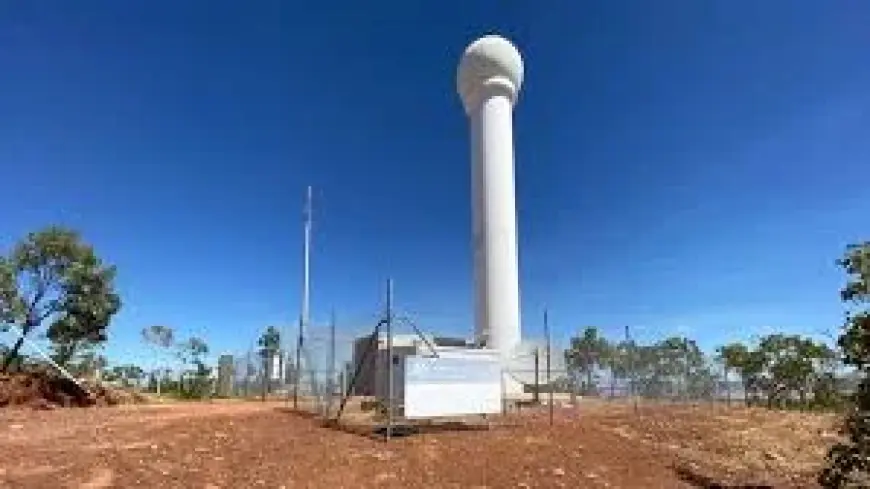
A temporary weather radar will be installed at the existing Wyndham site after the original unit was destroyed by fire late last year, restoring access to radar imagery for the community. The temporary weather radar is expected to provide images in October 2026 and will remain in place for up to three years while a permanent replacement is procured and installed.
Temporary Weather Radar Details
The temporary Weather Radar will be self-contained and installed at the existing site to restore network coverage more quickly and at lower cost than buying and installing a permanent unit. It will provide the same basic weather information as the previous radar, and will add Doppler and dual‑polarisation capability that were not available on the old unit.
Doppler capability allows the radar to measure wind speed, while dual‑polarisation gives extra information that helps with image correction. The temporary unit has a lower power output than a permanent radar, so its coverage area may be smaller, but it is intended to bridge the gap while procurement and installation of a permanent radar proceed.
Coverage, Limitations and Forecasting Impact
There will be no radar coverage in the north‑east Kimberley and north‑west Gregory districts until the temporary Wyndham radar is installed. Halls Creek weather radar provides some coverage south of Wyndham, but gaps remain in the affected districts until the temporary unit comes online.
Bureau of Meteorology Western Australia Manager James Ashley said forecasters draw on many different information sources to monitor and predict weather. While radars are an important part of the Bureau’s observations network, and the value the community places on them is understood, they are one part of a composite observing network used for forecasting.
The Bureau’s weather forecasts and weather warning service have been designed to be resilient and not dependent on any one piece of equipment. Forecasts and warnings for all regions are based on a combination of many observing systems including satellites, automatic weather stations, radars, rain gauges, and hydrological monitoring stations. Emergency services will continue to be kept informed of changes to information sources while the temporary radar is being installed.
Timeline, Procurement and What Comes Next
Purchasing and installing a new permanent radar is a significant investment and can take several years. Radar manufacturing involves high‑precision engineering, specialised components, low‑volume production, and rigorous reliability standards, all of which contribute to a multi‑year procurement timeline. The temporary radar is intended to remain in place for up to three years while work to procure and install a permanent radar takes place.
Radar images from the temporary unit are expected to be available to the Wyndham community in October 2026. The temporary installation will restore key observational capability and add Doppler and dual‑polarisation information, even if its coverage footprint is smaller than the permanent radar that will follow.
The installation of the temporary unit and the multi‑stage process to deliver a permanent replacement are the immediate next steps outlined for restoring full radar service to the Wyndham region.