Australian Fuel Crisis Leaves Government Considering Rationing, Sparks Panic Buying

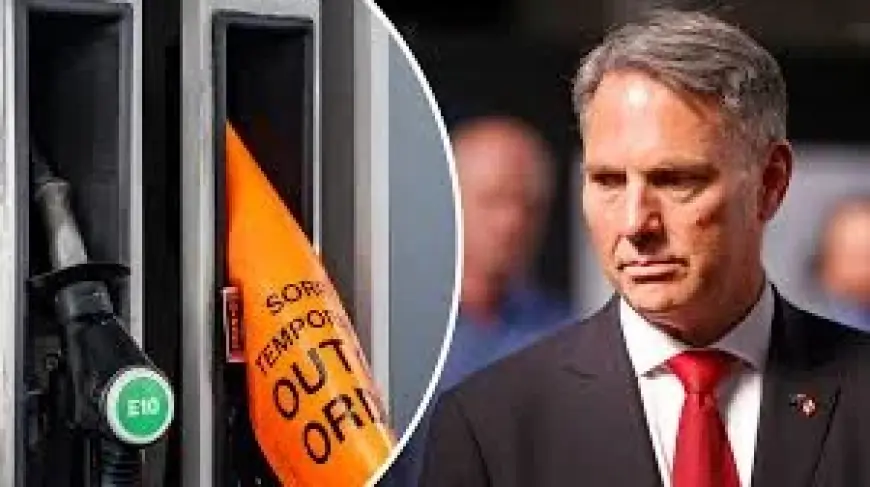
The government has warned that the australian fuel crisis has prompted talks about rationing even as ministers say shipments are arriving on schedule and retailers and importers expect deliveries to continue into April. Officials urged the public to stop panic buying, blaming a rush for jerry cans for worsening shortages in some regional outlets.
Australian Fuel Crisis: Government Says Supplies Still Arriving
The energy minister told an emergency meeting of suppliers and retailers convened by the competition regulator that every expected ship — diesel, petrol and jet fuel — had arrived and that companies expected deliveries into March and well into April. He stopped short of ruling out rationing if the international situation deteriorated, saying the government was working non-stop to manage any supply challenges.
Price Spike, Middle East Conflict and the Strait of Hormuz
Retail petrol prices have surged as global oil prices rose by 40% in the past fortnight in response to the conflict in the Middle East and the closure of the Strait of Hormuz. The minister linked the price movement to those international developments, and national regulators have raised concerns about price gouging among some retailers as consumers rushed to fill containers and fuel up.
Regulator Action, Industry Response and Local Shortages
The competition regulator held the snap meeting with representatives from major companies to press for explanations for the recent surge in pump prices. Some regional retailers have already run out of fuel in recent days, a situation the government said was being exacerbated by panic buying. The regulator reiterated that it is closely monitoring the market and stands ready to use its authorisation powers to help ensure effective distribution across the country.
Public Appeal and What Comes Next
The energy minister condemned the run on jerry cans as “un-Australian” and urged motorists to desist, arguing that panic buying was making an already difficult market situation worse. While supply lines have been stable to date, they acknowledged uncertainty if the international conflict is prolonged, and they would not speculate on future measures beyond saying preparedness work is ongoing.
As the australian fuel crisis evolves, the government and the competition regulator will continue monitoring deliveries and retail pricing closely. For now, authorities are urging calm, warning that consumer behaviour could determine whether temporary measures such as rationing become necessary if supply conditions change.