Trump News: European Leaders Reject Military Role In Strait Of Hormuz

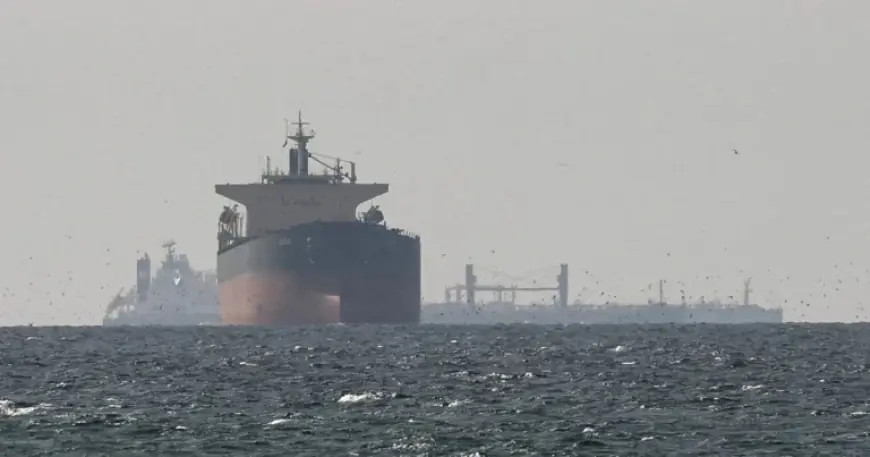
In trump news, European leaders have rejected United States President Donald Trump’s demand that allies help secure the Strait of Hormuz, insisting the conflict is not a NATO mission and declining military participation while urging clarity on aims and plans.
Trump News: Wide European Pushback
European ministers and prime ministers pushed back against calls for a naval coalition to secure the key waterway, saying the mission would not be framed as a NATO operation and many countries would not take part in military action. The strait is one of the world’s most important shipping routes, and about one-fifth of international oil shipments transit it; the waterway has been disrupted since the start of the war.
At a European gathering in Brussels to discuss soaring oil prices, Germany’s foreign minister said Berlin had no intention of joining military operations during the conflict and demanded more clarity on objectives and information-sharing from the United States and Israel. Germany’s defence minister stated there would be “no military participation” from his country while remaining open to diplomatic efforts to ensure safe passage through the strait.
The UK’s leader said any mission would not be a NATO operation and that the country would “not be drawn into the wider war, ” though the UK was discussing use of mine-hunting drones already in the region. A number of other EU countries expressed scepticism about launching a short-term naval mission to the waterway.
NATO Role, National Positions And Strategic Questions
European leaders framed NATO as an alliance for territorial defence and said the mandate to deploy it in this conflict is lacking. One German spokesman emphasised that the conflict “has nothing to do with NATO” and that NATO deployment authority is absent. Another German official asked what a handful or two handfuls of European frigates could accomplish in a stretch of sea that the US Navy is already equipped to handle.
Several smaller NATO members urged careful consideration and clarity. Some said allies should consider a US request for help but cautioned that they needed to understand strategic goals and the plan. Specific national positions included statements that Greece would not engage in military operations in the strait, and that Italy was not involved in any naval missions extending to the area. The Netherlands described the prospect of a successful short-term mission as very difficult. Lithuania and Estonia urged consideration while seeking more detail; Estonia’s foreign minister asked what the plan would be.
Why This Matters Now And What Comes Next
The dispute over whether European countries should join a naval effort matters because the Strait of Hormuz is central to global energy flows and has been effectively shuttered amid the conflict. The wider confrontation has seen the US and Israel launch deadly attacks across Iran since February 28, and Iran has retaliated by firing missiles and drones across the region, contributing to volatility in energy markets.
European leaders say they need clearer objectives and inclusion in planning before committing to military measures, and many countries prefer diplomatic and regional security-architecture approaches over immediate naval deployments. With differing national positions and questions about NATO’s mandate, the immediate prospect of a European naval coalition in the strait appears unlikely. Officials in the affected countries and allies have signalled that further discussions and demands for clarity will shape any future decisions.