St. Patrick’s Day Is One Of Several Times When Sobriety Checkpoints, Roving DUI Patrols Are Activated

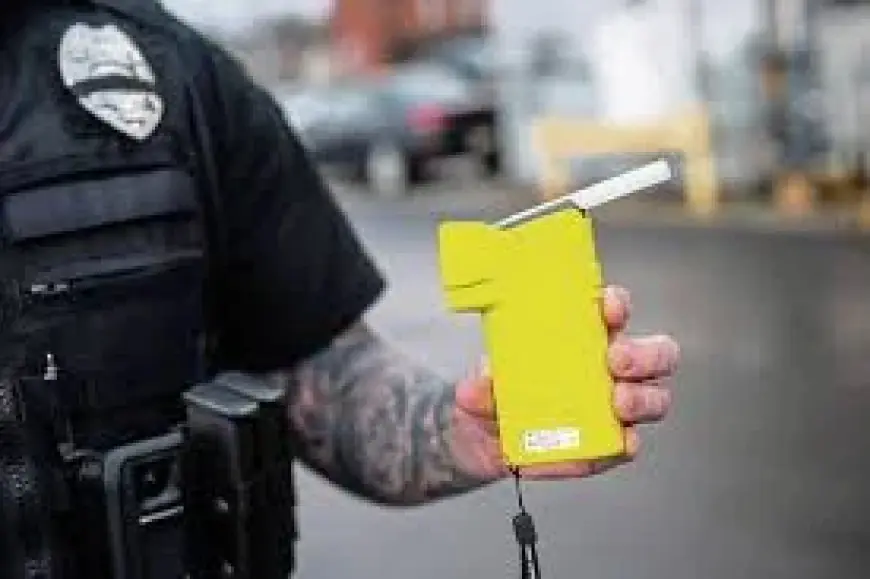
As St. Patrick’s Day approaches, police departments across the region are coordinating nearly two weeks of dedicated roving DUI patrols and sobriety checkpoints aimed at catching impaired drivers and urging the public to choose safe rides home. Officials emphasize the effort is as much about education and prevention as it is about enforcement.
St. Patrick’s Day Enforcement Push
Police describe the activity as part of a recurring pattern tied to major holidays and peak driving seasons. Departments plan both stationary checkpoints and roving patrols as St. Patrick’s Day nears, building on similar campaigns centered on holidays such as the Fourth of July and Thanksgiving. The stated law-enforcement goal is not primarily to maximize arrests but to make the public aware that officers are out enforcing impaired-driving laws and to encourage people to use alternative transportation if they have been drinking.
What Checkpoints and Roving Patrols Look For
Stationary checkpoints are typically established in locations where crashes are common, allowing officers to speak briefly with drivers and either send them on their way or investigate further. Roving patrols operate differently: officers watch for signs of impaired driving, such as swerving or driving noticeably slower than the posted speed limit, and then make stops based on observed behavior. Some officers bring specialized training to those stops; one lieutenant involved in the patrols is a drug recognition expert and can evaluate whether a driver may have used an illegal substance before getting behind the wheel.
Why Authorities Say Checkpoints Matter
Local chiefs and safety officials framed the checkpoint strategy as an awareness tool and a preventive measure. One chief said the department does not want to make arrests during a checkpoint but will enforce the law when necessary, adding that the campaign is about educating the public and encouraging responsible choices. Another lieutenant echoed that the aim is to get people to stop driving impaired and to use available resources to get home safely. A regional DUI program administrator noted checkpoints ensure drivers know law enforcement is present, and a state safety press officer stressed the importance of maintaining that presence.
Officials point to recent statewide and county figures to underscore the stakes. State statistics for 2024 show alcohol was a factor in 22% of fatal crashes, down from a range of 25% to 27% in the previous four years. In 2024, 14 people in one county and eight in another died in alcohol-related crashes. There were 7, 745 alcohol-related crashes statewide in 2024, the lowest total in five years and down from 8, 337 the year before; those crashes injured more than 4, 800 people. Holiday periods remain a concern: Thanksgiving led holidays for alcohol-related crashes in 2024, followed by Memorial Day and Labor Day, and while 9% of all holiday crashes involved alcohol use, 30% of holiday fatalities were alcohol-related.
Law-enforcement leaders say the combined approach of checkpoints and roving patrols — including occasional, sporadic checks that bring additional officers onto local roads — increases manpower for proactive measures and helps remove intoxicated drivers from roadways. The campaign is positioned as a public-safety reminder for people planning celebrations around St. Patrick’s Day and other high-risk times.