Msnbc: Day 17 of US-Israel War With Iran in Gulf Triggers Dubai Flight Suspensions and Rising Oil Prices

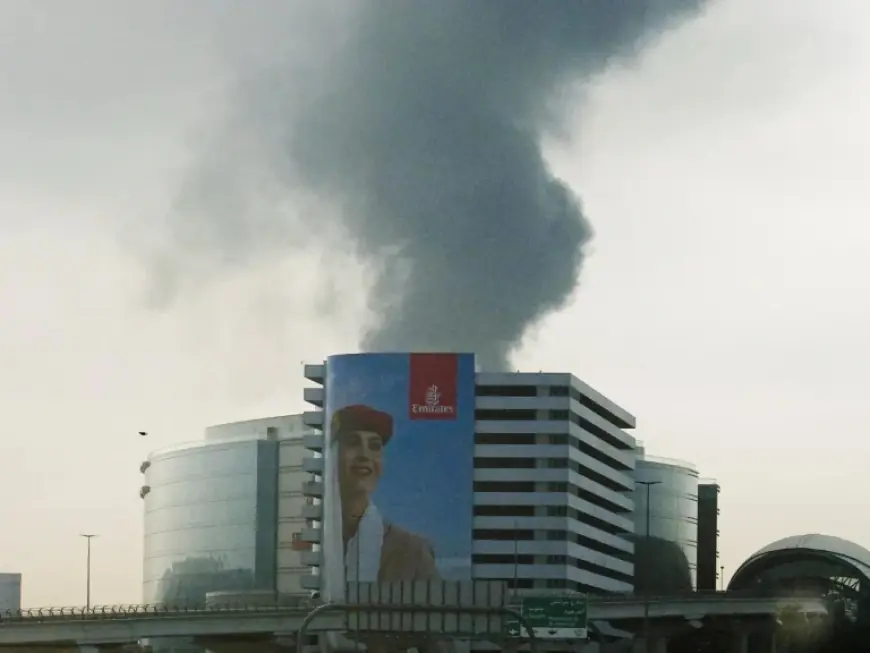
On the 17th day of the US-Israel war on Iran, coverage on msnbc highlighted a widening Gulf escalation that has disrupted commercial flights, pushed energy prices higher and produced both military strikes and civilian harm. Authorities in the region took emergency steps after a drone incident near Dubai International Airport and multiple attacks and interceptions were recorded across several countries.
New Strikes Over Tehran and Continued Regional Clashes
Israel launched a new wave of attacks on Tehran as fighting entered its 17th day, and clashes continued to ripple across the region. Incidents were reported in Iraq and Lebanon, and Saudi Arabia announced it had intercepted drones. The pattern of strikes and defensive actions reflects an expansion of hostilities beyond the initial focal points, with military activity now affecting air routes and civilian infrastructure in the Gulf.
Msnbc Coverage Highlights Flight Disruptions and Civilian Toll
msnbc coverage emphasized immediate civil impacts in the United Arab Emirates after a drone incident sparked a fire near Dubai International Airport, prompting authorities to suspend flights temporarily. Emirates later resumed limited operations, while several planned routes were canceled for the day. Separately, at least one person was killed in Abu Dhabi, and a fire broke out in Fujairah following Iranian attacks, underscoring the human consequences of the expanding conflict.
Economic and Information-Warfare Consequences Mount
Closures and effective disruptions of the Strait of Hormuz have fed into higher oil prices and broader economic effects, with one noted consequence being higher basic food costs. The elevated energy market has prompted policy moves elsewhere: Tokyo’s recent steps were described as a response to persistent price pressure linked to the near-closure of the strait. The flow of imagery and information has also become contested. Planet Labs delayed publication of satellite imagery during the active conflict, an action examined by Linh Nguyen in regional coverage that discussed the timing and implications of withholding such material.
Information operations entered the picture publicly when United States President Donald Trump posted on social media, asserting without providing evidence that Iran was a “master of media manipulation” using artificial intelligence to spread disinformation about battlefield gains. That claim added a narrative layer to the military and economic developments, with officials and analysts still parsing the role of imagery, social media and automated tools in shaping public perceptions of the war.
The situation remains fluid. Flight disruptions, intercepted drones, attacks in multiple countries and contentious handling of satellite imagery have combined to widen the conflict’s footprint beyond front-line combat. Markets, transport networks and civilian communities in the Gulf are already feeling the effects, and authorities are continuing to adjust operations as events evolve.