Al Quds Day Protest in London Sparks Police Investigation and Dozen Arrests

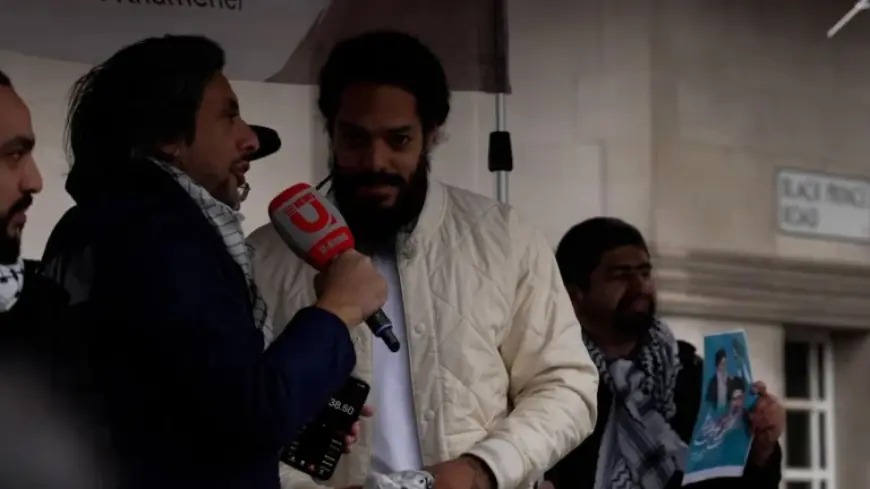
The Al Quds Day Protest in central London has prompted a Metropolitan Police investigation after a speaker led chants of “death to the IDF, ” and police made 12 arrests during the demonstrations and a counter-protest.
Al Quds Day Protest: Police Probe of ‘Death to the IDF’ Chants
The Metropolitan Police says it is investigating chants of “death to the IDF” that were led by musician Bobby Vylan, whose real name is Pascal Robinson-Foster, at the Al Quds Day Protest. Video footage appeared to show him delivering a speech and then chanting “death, death to the IDF, ” with parts of the crowd joining in.
The force acknowledged the concern such footage and chanting causes, particularly for London’s Jewish communities. Police noted they had previously sought Crown Prosecution Service advice when similar language was used at a festival last year; that earlier review concluded there was insufficient evidence to pursue criminal charges.
Arrests, Security Measures and Riverbank Tensions
Police made 12 arrests in connection with the day’s events; charges listed by the force included showing support for a proscribed organisation, affray, dangerous driving and threatening or abusive behaviour. Authorities closed Lambeth Bridge and deployed around 1, 000 officers to keep the rival gatherings apart.
The static demonstrations were held after the Home Secretary agreed to a police request to ban the annual march on grounds of public disorder. Organisers described the event as a pro-Palestinian protest, while police said those behind the demonstration were supportive of the Iranian regime. Many at the rally waved Iranian flags, held placards reading “Choose the right side of history, ” and some chanted “from the river to the sea” or displayed pictures of the late Iranian leader Ayatollah Ali Khamenei.
Legal Thresholds, Past Inquiries and What Happens Next
The Crown Prosecution Service says it is aware of the chants and carefully considers each case referred for charging decisions or early advice. The CPS adds that where evidence is not sufficient it works with police to identify what more can be done to meet the threshold for charging. It warned that hateful chanting or waving offensive flags may constitute an offence and that behaviour beyond lawful protest will be prosecuted.
Police previously investigated a similar chant led by the same performer at a major music festival last year but concluded no further action would be taken after reviewing the available evidence. The current investigation remains under way and further steps will depend on what investigators establish about intent, context and the evidential threshold for prosecution.
Immediate Stakes and Forward Look
The events exposed sharp divisions along the riverbank and prompted heavy policing to prevent disorder. Officials have emphasised legal limits on protest behaviour while also stressing the investigative process that will determine whether criminal charges are appropriate. The outcome of the ongoing police inquiry and any subsequent decisions by prosecutors will shape whether the episode moves from public order enforcement to criminal proceedings.
The Metropolitan Police continues its investigation and has urged anyone with relevant evidence to assist the inquiry. For now the matter remains developing, with legal authorities highlighting that not every instance of offensive speech meets the threshold for prosecution.