Iran Israel Strikes On Western Iran Leave Fires Burning, Raise Civilian Toll And Energy Fears

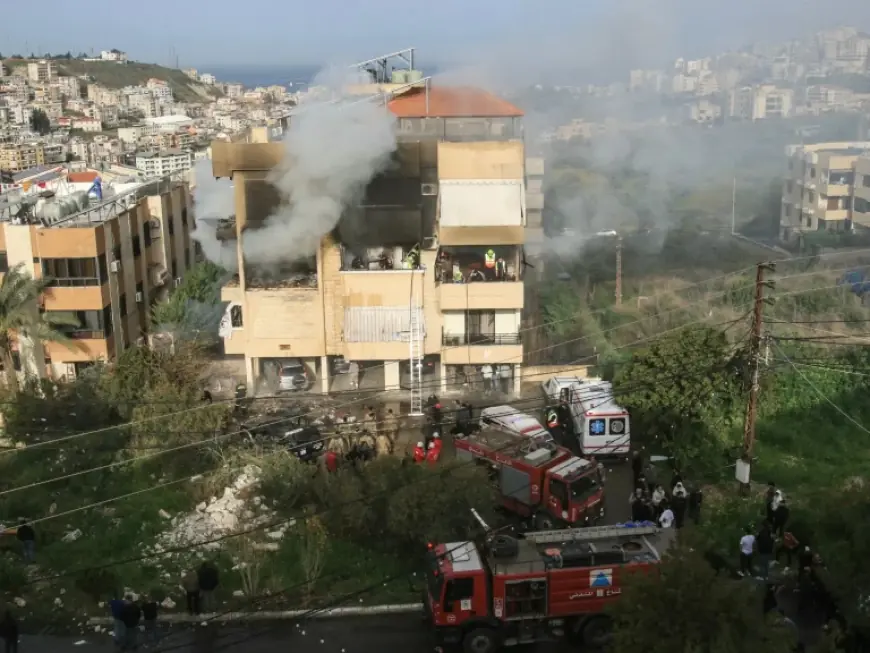
Israel has launched another “wide-scale” wave of attacks on targets in western Iran while Iran has fired more missiles in response, part of an intense round of iran israel strikes that has left fires burning, prompted evacuations and sharpened global energy concerns. The exchanges come as US President Donald Trump says Iran wants a deal to end the war but that “the terms are not good enough” at present.
Iran Israel Strikes: Military Exchanges And Civilian Impact
Israeli forces say they struck multiple targets in western Iran in a fresh campaign described as wide-scale, while Iranian forces continued missile launches. Fires were reported following an Iranian strike on the outskirts of Tel Aviv and fragments from an intercepted Iranian ballistic missile hit parts of the city, leaving burn damage in places and prompting emergency responses.
Emergency services have reported injuries in central Israel. One account said three people suffered minor injuries after a cluster bomblet landed nearby during a barrage, and national emergency teams have recorded four people injured in related strikes. Witnesses in the Iranian capital warned of the toll of continued exchanges, saying the pressure of sustained attacks threatens widespread destruction.
Beirut And Lebanon: Evacuations And Rising Death Toll
The conflict has extended beyond Iran and Israel. The Israeli military has issued evacuation orders for several southern Beirut neighbourhoods, including Haret Hreik, Ghobeiry, Laylaki, Bourj el-Barajneh, Ghadir Perimeter and Shiyah, warning residents to leave areas near armed elements and facilities. The orders accompanied air and artillery operations in and around Lebanon’s urban areas.
Health authorities in Lebanon have provided differing casualty counts in the days since the escalation began. One set of figures puts the death toll at about 850, while another gives a figure of at least 826; one report additionally lists more than 2, 100 people wounded and notes that dozens of health workers have been killed. The variations underline the difficulty of confirming totals amid ongoing operations and mass displacement caused by sweeping evacuation directives.
Diplomatic Signals, Energy Risks And What Comes Next
Political leaders and officials are signalling a mix of diplomatic pressure and readiness measures. US President Donald Trump said Iran wants a deal to end the war but judged the terms unacceptable for now. Separately, senior US officials have urged that allies reliant on Gulf oil assist in keeping the Strait of Hormuz open to shipping as the waterway has been affected by attacks and reported mine-laying, disrupting a vital transit route for global energy supplies.
Energy markets have reacted: the global oil benchmark has climbed above $100 a barrel from about $70 before the crisis began, reflecting the immediate premium for supply risk. A US energy official expressed expectations that the war could end within “the next few weeks, ” and forecast a rebound in supplies and falling prices once the conflict subsides, though timing remains uncertain.
Uncertainties are prominent. Casualty counts in Lebanon differ between tallies, details of some battlefield strikes remain under confirmation, and regional shipping lanes are still contested. The immediate future will hinge on whether these exchanges escalate further, whether evacuation orders in urban areas are expanded, and whether diplomatic initiatives to halt the fighting gain traction. For now, the iran israel strikes continue to shape humanitarian risk and energy market volatility across the region.