North Korea Fires Missiles As U.S.–South Korea Drills Continue

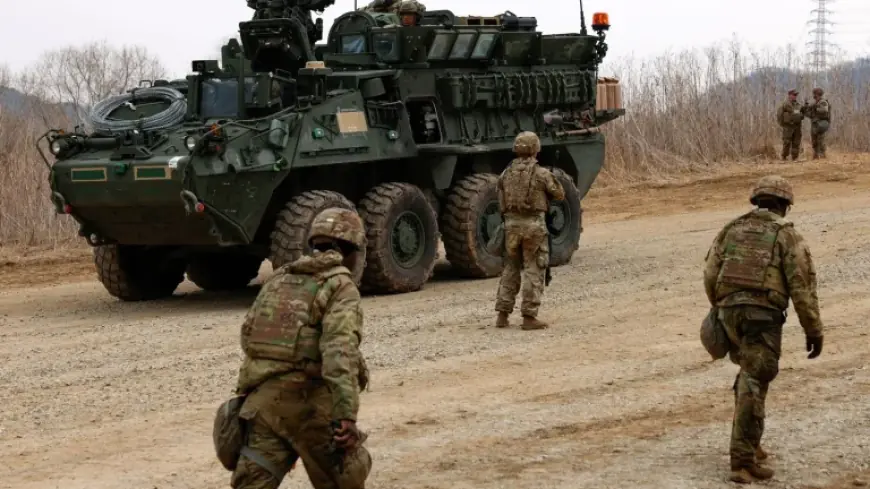
In a fresh show of force, north korea fires missiles into the sea while U. S. and South Korean forces carry out their Freedom Shield exercise, prompting heightened surveillance in Seoul.
North Korea Fires Missiles During Allied Drills
North Korea launched more than 10 ballistic missiles on Saturday from an area near Pyongyang’s international airport, South Korea’s military said, a move framed domestically as a response to ongoing joint drills by the United States and South Korea. The projectiles flew roughly 220 miles before splashing down in the Sea of Japan. South Korea has increased its surveillance posture following the launches.
The missile activity came just hours after a meeting in Washington between South Korea’s prime minister, Kim Min-seok, and U. S. President Donald Trump, where re-engagement with Pyongyang was discussed. The timing underscores the tension between diplomatic overtures and military signaling in the region.
Seoul and Washington are in the midst of Freedom Shield, an 11-day exercise held each March to test combined readiness. North Korea has long denounced these drills as invasion rehearsals and frequently pairs them with weapons tests. This is the latest instance in which north korea fires missiles during allied exercises.
What South Korea And Japan Detected
South Korea’s Joint Chiefs of Staff assessed that the missiles were fired toward waters off the North’s east coast and traveled around 220 miles. In Japan, the coast guard detected what appeared to be a ballistic missile that fell into the sea and was believed to have landed outside Japan’s exclusive economic zone.
South Korean they had stepped up monitoring and readiness in light of the launches. The trajectory and range suggest a demonstration consistent with past shows of force rather than a surprise test of unannounced capabilities, though a full technical assessment was not immediately available.
Diplomatic Signals And Military Posture
The launches arrive as Washington and Seoul explore ways to revive dialogue with Pyongyang, which has been stalled since 2019. After talks in Washington, South Korea’s prime minister said the U. S. president viewed a meeting with Kim Jong-un as potentially positive, even floating the prospect that a summit could take place later this year, including around a planned visit to China.
North Korea, which portrays itself as a nuclear-armed state, has demanded the United States drop denuclearization preconditions for talks. In recent days, Kim Jong-un’s sister criticized the allied drills, arguing they undermine regional stability during a period of wider global insecurity. Pyongyang has also rebuffed recent overtures from Seoul, labeling them a “clumsy, deceptive farce. ”
Saturday’s launches are likely to complicate any near-term push for engagement. Analysts have warned that bursts of missile activity around allied exercises tend to harden positions on all sides, even when back-channel messages are in play. For now, the drills continue, North Korea’s objections remain sharp, and the security posture on the peninsula has tightened as both governments gauge next steps.