North Korean Ballistic Missiles Near Pyongyang Spark Fears of Undermining Diplomatic Efforts

North Korean ballistic missiles were fired into the sea from an area near the capital in what officials described as a show of force in response to a United States–South Korea military exercise, a move that officials and analysts warn could undermine recent diplomatic outreach.
North Korean Ballistic Missiles Launched From Near Pyongyang
More than 10 ballistic missiles were launched from an area close to Pyongyang’s international airport and flew roughly 220 miles before landing in the Sea of Japan, South Korea’s Joint Chiefs of Staff said. The launches took place at about 1: 20 pm ET on Saturday and were described as a direct response to the current joint military drills between the United States and South Korea.
Allied Drills, Meetings and a Fragile Diplomatic Window
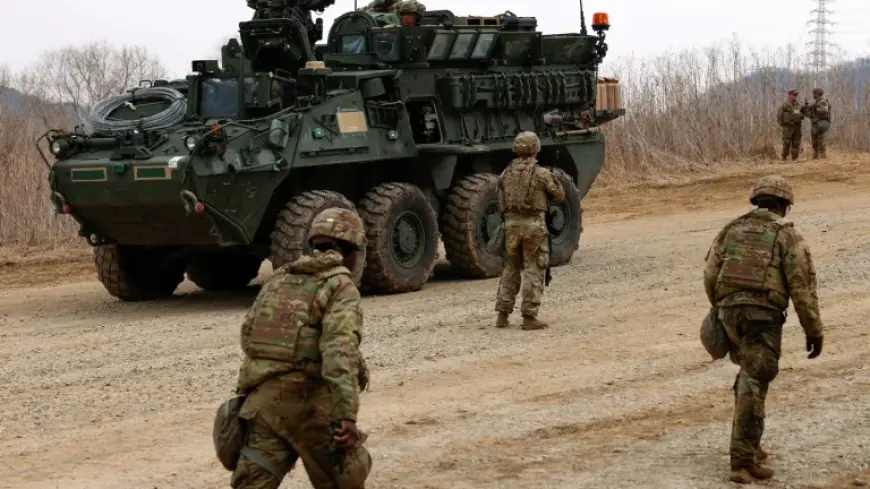
The missile launches occurred amid the allies’ long-planned Freedom Shield exercise, an 11-day event held every March that the US and South Korea frame as purely defensive and aimed at testing readiness. The launches also came hours after South Korea’s prime minister met the US president in Washington, where the prime minister said the US president thought a meeting with North Korea’s leader would be “good. ” Observers note the timing raised concerns that the tests could complicate efforts to reopen high-level talks.
Regional Reactions, Surveillance and Wider Consequences
South Korea has ramped up surveillance in response to the launches. Japan’s coast guard detected what could be a ballistic missile that fell into the sea and it appeared to have landed outside Japan’s exclusive economic zone. Experts fear the tests could undermine diplomatic efforts made by both sides, and officials in the region are monitoring for any further activity.
Rhetoric From Pyongyang and Uncertain Strategic Signals
North Korean officials have long portrayed joint drills by the United States and South Korea as rehearsals for invasion and a justification for weapons testing; recent comments from senior North Korean figures criticized the allies’ decision to proceed with exercises during a period of global instability and warned they undermine regional stability. In recent months, Pyongyang has hardened its stance toward Seoul and urged Washington to drop denuclearization as a precondition for talks. That posture, paired with the latest launches, complicates the diplomatic environment.
What Comes Next
Officials are treating the launches as a deliberate signal tied to the allied drills and recent diplomatic contacts. While some discussions in allied capitals have explored options for engagement with Pyongyang, observers caution that the tests may set back momentum for dialogue. There is also speculation about potential allied defensive adjustments in the region, but that possibility remains unconfirmed and should be treated as uncertain for now.
The immediate focus for regional authorities is surveillance and assessment of further launches or military moves. Diplomacy and military readiness now sit in tension as policymakers weigh how to respond without escalating the situation further.