Unforgettable Hero, Yinka Odumakin

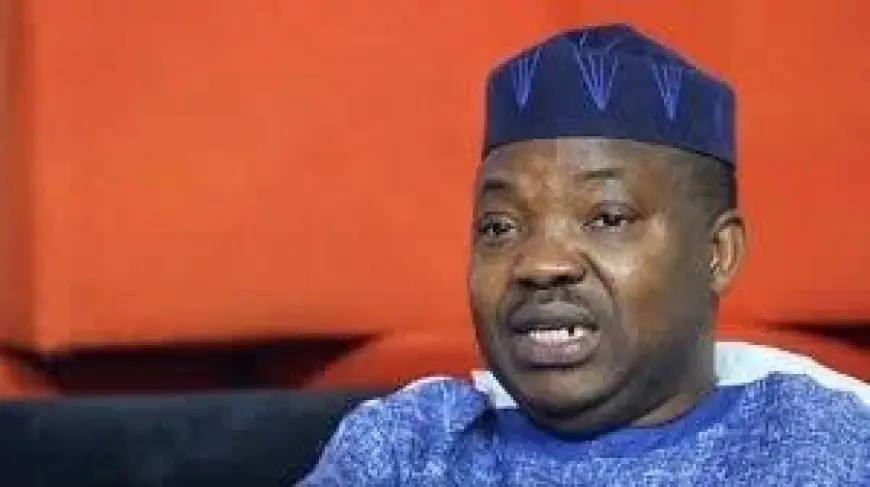
Five years after his death, yinka Odumakin’s legacies have endured. He was remembered as a pan-Nigerian activist who wanted Nigeria to wake up and take her rightful place among the comity of nations, and his work as a spokesperson, campaigner and cultural promoter continues to draw attention.
Legacy of Yinka Odumakin
Peter Oluyinka Odumakin, popularly known as Yinka Odumakin, died in 2021. Until his death he served as the spokesperson of the pan-Yoruba socio-cultural organisation Afenifere. He was widely described as an unrepentant critic of a troubled Nigeria and a strong advocate for democratic principles, the rule of law and good governance.
His activism and public profile marked him as both a promoter of Yoruba culture and an outspoken defender of marginalised communities. Even after his passing, many have continued to regard his commitment to preserving language, traditions and civic values as central to his public life.
Activism, Detention and Political Roles
yinka never occupied formal political office, but he worked closely with politicians and political campaigns at key moments. He acted as spokesman to Muhammadu Buhari when Buhari contested the 2011 Presidential Election under the defunct Congress for Progressive Change (CPC). In 2014, during the administration of the then president, Yinka and his wife, Joe-Okey, were the only couple among representatives of different interest groups at the 492-member 2014 National Conference.
His activism brought personal risk. He and his wife were detained in connection with pro-democracy campaigning; Joe-Okey was transferred from Ilorin Prison to Alagbon, an episode that led to their joint detention. During the military era under the late Gen. Sani Abacha, he was among those who formed the National Democratic Coalition (NADECO), a group at the forefront of the fight to restore democracy.
Reactions and Continuing Influence
Tributes following his death were widespread. A Vanguard editorial noted a torrent of tributes from the president, former presidents and various state governors and opinion leaders, with many describing him as a great patriot and nationalist. The editorial also said that many expressed regret that Covid-19 had unfairly robbed the country of his highly valued contributions at a time they were most needed.
Throughout his life he mentored young activists and journalists, built coalitions among civil society groups, political parties and ethnic organisations, and remained vocal against oppression, injustice and corruption, even at personal risk. Those aspects of his public work are central to why his name and influence remain prominent in conversations about democracy and civic life.
Looking ahead, the enduring remembrance of his activism and cultural promotion suggests that discussions about democratic reform, minority rights and cultural preservation will continue to invoke his example as a reference point for advocacy and public debate.